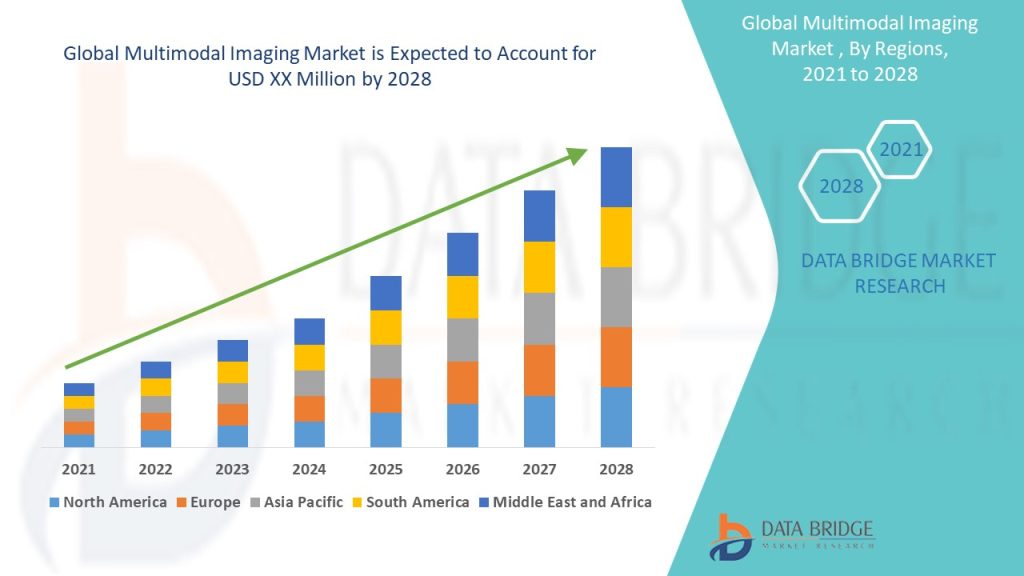
The Multimodal Imaging market was valued at USD 4.40 Billion in 2024 and is expected to reach USD 6.45 Billion by 2032, growing at a CAGR of 4.9% (2025-2032). Get insights on trends, segmentation, and key players with Data Bridge Market Research Reports.
Introduction
Cancer remains one of the most challenging diseases globally, with millions of new cases diagnosed every year. Early detection and accurate treatment planning are critical factors that significantly influence patient outcomes. Modern medicine has made tremendous advances in cancer diagnosis and therapy, among which multimodal imaging stands out as a revolutionary approach. By integrating multiple imaging techniques, multimodal imaging enhances the detection, characterization, and treatment planning of cancer, offering clinicians a comprehensive view of tumors and surrounding tissues. This article explores the role of multimodal imaging in cancer care, its benefits, and the promising future it holds.
Definition
Multimodal imaging is a diagnostic approach that combines two or more imaging techniques to provide complementary information about the structure, function, or molecular composition of tissues and organs. By integrating modalities such as MRI, CT, PET, or ultrasound, multimodal imaging enhances diagnostic accuracy, enabling more comprehensive disease assessment, improved treatment planning, and better monitoring of therapeutic responses.
What is Multimodal Imaging?
Multimodal imaging refers to the combined use of two or more imaging techniques to provide complementary information about cancerous tissues. Unlike single imaging modalities, which may offer limited perspectives, multimodal imaging integrates structural, functional, metabolic, and molecular data to create a detailed, multidimensional picture of the tumor and its environment.
Common imaging modalities used in multimodal cancer imaging include:
- Computed Tomography (CT): Provides detailed cross-sectional images of anatomical structures.
- Magnetic Resonance Imaging (MRI): Offers high-resolution images of soft tissues and helps assess tumor extent.
- Positron Emission Tomography (PET): Makes metabolic activity visible by monitoring radioactive tracers.
- Ultrasound: Used for real-time imaging, especially in guiding biopsies or treatment.
- Single Photon Emission Computed Tomography (SPECT): Offers functional imaging similar to PET but uses different tracers.
- Optical Imaging: Emerging techniques that provide molecular and cellular-level information.
By combining these modalities, clinicians can correlate anatomical details with physiological and biochemical changes, leading to more accurate cancer detection and effective treatment planning.
The Importance of Multimodal Imaging in Cancer Detection
Early and precise detection of cancer is essential for improving survival rates. However, cancer is a complex disease, often presenting heterogeneously within tissues. Some tumors are difficult to detect using a single imaging method due to their location, size, or metabolic characteristics.
Multimodal imaging overcomes these limitations by leveraging the strengths of different techniques:
- Enhanced Sensitivity and Specificity: For example, PET/CT combines metabolic data from PET with anatomical detail from CT, enabling precise localization of hypermetabolic tumor regions. This combination decreases false positives and increases the precision of detecting cancerous lesions.
- Detection of Small or Hidden Tumors: Multimodal approaches increase the likelihood of detecting small or early-stage tumors that may be missed on conventional scans alone.
- Differentiation of Benign vs. Malignant Tissue: Multimodal imaging helps distinguish cancerous tissues from benign lesions by integrating functional and structural information, reducing unnecessary biopsies or treatments.
Studies have demonstrated that multimodal imaging techniques such as PET/MRI provide superior diagnostic accuracy compared to single modalities alone, especially in cancers like brain, prostate, breast, and lung cancer.
Improving Treatment Planning Through Multimodal Imaging
Accurate treatment planning requires a detailed understanding of the tumor’s size, location, extent, and biological behavior. Multimodal imaging provides this information, which is crucial for tailoring therapy to individual patients.
Precise Tumor Localization:
Surgical removal or radiation therapy depends on knowing the exact boundaries of the tumor. Combining anatomical imaging (CT, MRI) with functional imaging (PET, SPECT) helps map the tumor margins accurately, minimizing damage to healthy tissue.
Assessment of Tumor Biology:
Cancer cells often display metabolic or molecular differences from normal cells. PET scans using different tracers can highlight areas of increased glucose metabolism or specific receptor expressions. When combined with MRI, clinicians gain insight into tumor aggressiveness and heterogeneity, influencing choices such as chemotherapy, targeted therapy, or immunotherapy.
Monitoring Treatment Response:
Multimodal imaging allows for non-invasive monitoring of how tumors respond to treatment over time. Changes in metabolic activity on PET scans or tissue characteristics on MRI can indicate whether a tumor is shrinking or developing resistance, guiding adjustments to the treatment plan.
Radiation Therapy Planning:
Radiation oncologists use multimodal imaging to delineate the target tumor volume precisely, sparing nearby healthy organs. Advanced techniques like PET/CT or PET/MRI assist in dose planning by highlighting regions requiring higher radiation intensity.
Examples of Multimodal Imaging Applications in Cancer Care
Brain Cancer:
Gliomas and other brain tumors require delicate treatment due to the complexity of brain anatomy. MRI offers fine-grained pictures of the brain’s architecture, whereas PET identifies metabolic activity linked to cancer. The fusion of these images helps neurosurgeons plan resections and radiation therapy more effectively, preserving critical brain functions.
Prostate Cancer:
Multiparametric MRI (mpMRI) combined with PET using prostate-specific membrane antigen (PSMA) tracers improves detection and staging of prostate cancer. This multimodal approach guides biopsies and helps identify patients suitable for focal therapy rather than radical prostatectomy.
Breast Cancer:
Combining MRI with ultrasound or mammography enhances the detection of early breast lesions. Additionally, the use of PET/MRI to assess metastatic spread and track response to neoadjuvant treatment is growing.
Lung Cancer:
PET/CT is the standard for staging lung cancer, enabling detection of lymph node involvement and distant metastases. This information is critical for determining the appropriateness of surgery versus systemic therapies.
Benefits of Multimodal Imaging in Cancer Care
- Improved Diagnostic Accuracy: Combining structural and functional data reduces misdiagnoses.
- Personalized Treatment: Imaging insights guide tailored therapeutic approaches.
- Reduced Invasive Procedures: More accurate imaging decreases the need for multiple biopsies.
- Better Prognosis Assessment: Functional imaging helps predict tumor behavior and patient outcomes.
- Enhanced Patient Experience: Non-invasive imaging reduces patient discomfort compared to surgical exploration.
Challenges and Future Directions
Despite its many advantages, multimodal imaging faces challenges such as high costs, complexity of image integration, and the need for specialized equipment and expertise. Additionally, interpreting multimodal data requires advanced software and trained radiologists.
Ongoing technical developments, however, are tackling these challenges:
- Artificial Intelligence (AI) and Machine Learning: AI algorithms are increasingly used to fuse and analyze multimodal images, improving accuracy and reducing interpretation time.
- Hybrid Imaging Devices: The development of combined PET/MRI scanners and other hybrid systems streamlines multimodal imaging in a single session.
- Novel Imaging Tracers: New tracers targeting specific cancer biomarkers are expanding the functional imaging repertoire.
- Molecular Imaging: Advances in molecular imaging are allowing visualization of cancer at the cellular and genetic level, further enhancing precision medicine.
Growth Rate of Multimodal Imaging Market
According to Data Bridge Market Research, the size of the global multimodal imaging market was estimated at USD 4.40 billion in 2024 and is expected to grow at a compound annual growth rate (CAGR) of 4.90% from 2025 to 2032, reaching USD 6.45 billion.
For more insights on the autoimmune disease treatment Market visit
https://www.databridgemarketresearch.com/reports/global-multimodal-imaging-market
Conclusion
Multimodal imaging is transforming cancer care by providing comprehensive insights that no single imaging modality can offer. Its ability to improve detection accuracy, personalize treatment planning, and monitor therapy response makes it an indispensable tool in the fight against cancer. As technology continues to advance, multimodal imaging will become even more integrated, accessible, and effective, ultimately improving outcomes and quality of life for cancer patients worldwide.