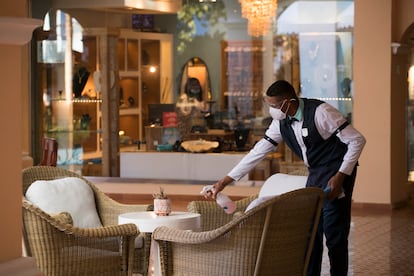
Today’s tourism projects a historical opportunity for the Caribbean, being one of its economic pillars with greater growth potential. However, governments, private initiative and civil society must walk hand in hand to address the multiple factors and nuances that will make this industry a highly efficient, equal and beneficial development engine for its population.
Although tourism contributes more than 22% to GDP in the Caribbean, generating about 2.75 million jobs, its economic value is still distant from opportunities and the true potential to which it can reach. An example: Currently, cruise tourism remains one of the most visible pillars, but visitors spending is disproportionately low compared to visitors who spend the night and adventure tourists.
To the challenges of the industry (business strategies, user experiences, technological integration, infrastructure, among others.) It would be necessary to add the environmental cost that is also increasing; Both cruises and large tourist complexes generate large volumes of waste, consume huge amounts of water and energy, and exert great pressure on the already fragile coastal ecosystems. Excessive development runs the risk of degrading mangroves, coral reefs and beaches, natural assets that attract tourists first.
The vision of improvement must have the participation of all actors, including the private sector, the regulators and the entire population.
“The Caribbean must change course, and the leaders of the tourism industry understand it very well. Travelers are demanding more sustainable, immersive and authentic experiences and destinations, and those who offer this will benefit. The tourist model of the region must, and in fact it is, evolving, and there is a clear path to follow. Continue to strengthen governance is a critical point,” says Lilia Lilia Burunciuc Director of the World Bank for the Caribbean region.
According to the recent World Bank report entitled to rethink tourism in the Caribbean: strategies for a more sustainable future, there are new opportunities that could revitalize the competitiveness of the Caribbean in the sector before the environmental cost is too late. Some of them are:
– Economy and Blue Tourism. The blue economy implies the sustainable use of oceanic resources for economic growth, the improvement of living and job creation, while preserving the health of oceanic ecosystems, a model that not only promotes products, but also sustainable operations and infrastructure, the World Bank calls this Blue Tourism.
– Environmental and social sustainability. An issue that is on the local agenda as much as for travelers and for governments and companies. A World Bank study on adventure travelers who travel abroad from the United States in 2024 revealed that sustainability was the main decisive factor in choosing a destination for their next vacation. Consumers and buyers demand a higher level of quality and transparency, as well as ecological certifications, products and local experiences.
– Improve the impact of cruise tourism. Travelers usually look for multidestine crossings that combine luxury, entertainment and relaxation. However, there is a growing emphasis on sustainable practices. Currently, the region experiences greater demand in non -hotel accommodation options both in the short and long term. In this way, continuing to strengthen governance is fundamental, since when investment frameworks are transparent and coherent, they can attract much more responsible and higher quality tourist investors. Likewise, environmental and passenger rates must be established at levels that reflect the real cost of maintaining infrastructure and protecting fragile ecosystems.
– Authentic and immersive experiences. It is no longer just about party, sun, beach and sand. Adventure tourism is one of the market segments with the highest growth, with visitors who seek to connect with local cultures, communities and nature through activities such as gastronomic tours, heritage experiences and adventure tourism or extreme sports.
– Digital technology. The dependency to devices demonstrate a reality of integration of products, experiences and services through mobile applications, artificial intelligence and big data. This has transformed the way travelers plan, enjoy and share their vacations, through real -time information, personalized services and contactless options.
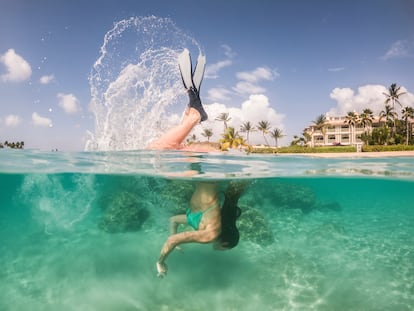
According to the World Bank report, Caribbean countries are beginning to adapt to these trends, but there is still much to prioritize quality and sustainable growth above the number of visitors.
“Ensuring that more people benefit from tourism is equally important. More inclusive growth means creating more solid links between tourism and economy in general, especially for farmers, artisans and local entrepreneurs,” Burunciuc adds.
Some destinations are already demonstrating what is possible. Dominica, known as the “island of nature” is positioning its national Waitukubuli path for nature tourism. There are also other signs of promising progress: in Santa Lucía, for example, the Tourism Development Fund is helping to channel the voluntary contributions of visitors to local sustainability initiatives.
This reflects that the look that transcends the traditional tourist offer is viable, beneficial and sustainable. Adventure tourism today represents more than 30% of leisure trips in the world and contributes more than 680,000 million US dollars. In the Caribbean, although this area is still underdeveloped, it points towards one of the largest growth potentials of high value and low impact in the area.
A stronger regional collaboration is key. By working more together, Caribbean countries can strengthen their negotiation power and build a more resilient, inclusive and sustainable tourist future.
For more updates, visit our homepage: NewsTimesWire
https://elpais.com/america/termometro-social/2025-07-25/sostenible-resiliente-e-inclusivo-asi-es-el-futuro-del-turismo-regional.html