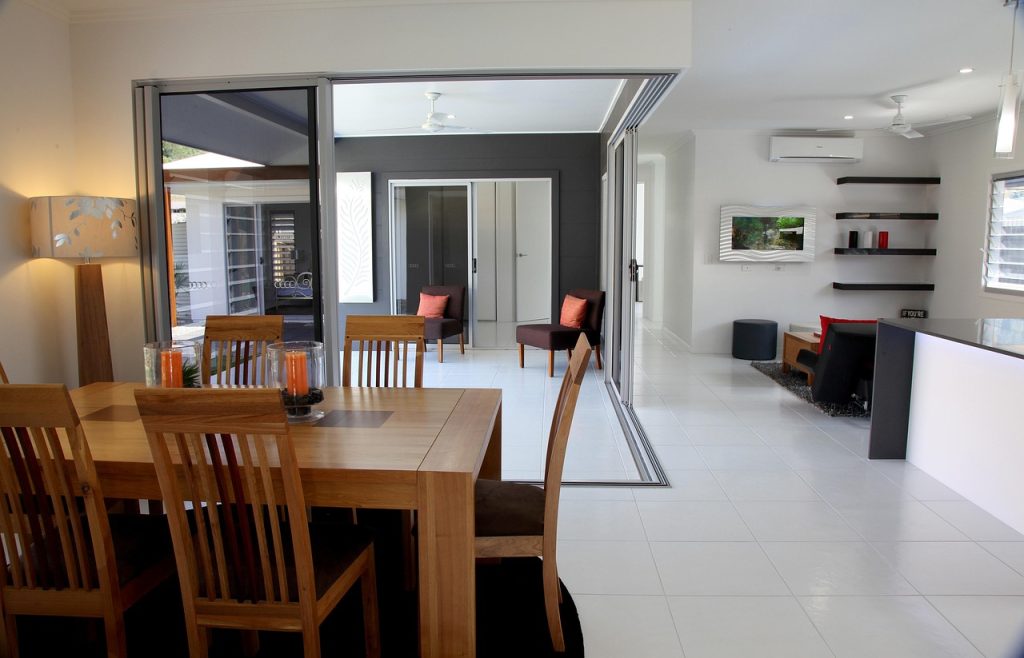
Accessible interiors designed to improve comfort, mobility, and independence in Specialist Disability Accommodation.

Finding the right home is important for everyone. For people living with disabilities, a safe, accessible, and supportive home can completely change their quality of life. This is where Specialist Disability Accommodation (SDA) plays a vital role under the NDIS in Australia.
In this guide, we will explain what Specialist Disability Accommodation is, who it is for, the types of SDA homes available, and how trusted providers like Easability Specialist Disability Accommodation support participants to live more independently and comfortably.
What Is Specialist Disability Accommodation?
Specialist Disability Accommodation refers to specially designed homes built for people with extreme functional impairment or very high support needs. These homes are funded by the NDIS and focus on accessibility, safety, and long-term comfort.
SDA does not include daily care or support services. Instead, it covers the physical housing, while support services are provided separately.
The goal of SDA is simple:
-
Improve independence
-
Increase safety
-
Support long-term living needs
Accessible interiors designed to improve comfort, mobility, and independence in Specialist Disability Accommodation. Who Is Eligible for Specialist Disability Accommodation?
Not everyone under the NDIS qualifies for SDA. Eligibility depends on individual support needs and assessment outcomes.
You may qualify if:
-
You have very high physical support needs
-
You need specialised housing modifications
-
Your current living arrangement is unsafe or unsuitable
-
SDA is approved in your NDIS plan
Eligibility Overview Table
Criteria Description Support Needs High or complex physical needs NDIS Plan SDA funding approved Living Situation Current housing unsuitable Assessment Evidence from professionals If SDA is included in your plan, you can choose an SDA provider that best suits your needs and preferences.
Types of Specialist Disability Accommodation
There are different SDA design categories based on participant needs. Each type focuses on comfort, safety, and accessibility.
SDA Design Categories Table
SDA Type Description Improved Liveability For people with sensory or cognitive impairments Fully Accessible Wheelchair-friendly design with wider spaces High Physical Support Advanced technology and structural support Robust Housing Strong materials for complex behavioural needs Choosing the right SDA type is essential for long-term comfort and independence.
Why Specialist Disability Accommodation Is Important
The right home can make daily life easier and safer. SDA properties are designed to reduce physical strain, improve mobility, and support independence.
Key Benefits of SDA
-
Purpose-built accessibility
-
Safer living environment
-
Improved independence
-
Long-term housing stability
-
Better quality of life
With the right provider, SDA housing becomes more than just a place to live — it becomes a space to grow, feel secure, and thrive.
How Easability Supports Specialist Disability Accommodation Participants
Choosing the right SDA provider matters. Easability Specialist Disability Accommodation focuses on participant-centred housing solutions that support independence, dignity, and comfort.
Easability works closely with participants, families, and support coordinators to ensure:
-
The home matches participant needs
-
Locations are convenient and accessible
-
Properties meet NDIS SDA design standards
-
Long-term comfort and safety are prioritised
Their approach ensures that participants feel supported at every step of the housing journey.
What to Consider When Choosing an SDA Home
Before selecting an SDA property, it is important to consider several factors.
Important Factors Table
Factor Why It Matters Location Close to family, services, and community Design Type Matches physical and support needs Accessibility Wheelchair access and safe movement Provider Experience Understanding of SDA standards Long-Term Comfort Suitable for future needs Taking time to review these factors helps ensure the home is suitable now and in the future.

Specialist Disability Accommodation empowers participants to live independently and confidently. Specialist Disability Accommodation and Independence
One of the biggest benefits of Specialist Disability Accommodation is increased independence. Purpose-built homes allow participants to:
-
Move freely and safely
-
Use assistive technology
-
Reduce reliance on physical assistance
-
Maintain privacy and dignity
This independence has a positive impact on confidence, mental health, and overall wellbeing.
How to Get Started with Specialist Disability Accommodation
If you believe SDA could be right for you or someone you care for, the first step is understanding your NDIS plan and available options.
Working with an experienced provider like Easability Specialist Disability Accommodation can help simplify the process and ensure the housing solution meets your unique needs.
They can guide you through:
-
Understanding SDA funding
-
Matching the right property
-
Planning long-term housing solutions
Final Thoughts
Specialist Disability Accommodation is more than specialised housing — it is about creating safe, comfortable, and empowering living spaces for people with high support needs.
With the right SDA design and a trusted provider, participants can experience greater independence, stability, and quality of life. Choosing a provider that understands participant needs makes all the difference in building a home that truly supports everyday living.
-