The judicial future of Jeison Obando Pérez, the 34-year-old Colombian who was repatriated by the United States after having survived Washington’s attack on an alleged drug submarine on October 16 in the Caribbean Sea, is in question. Pérez was deported to Colombia with “brain trauma, sedated, doped and breathing with a ventilator,” according to the Minister of the Interior, Armando Benedetti, who also assured that Pérez will be “prosecuted according to justice, because he is allegedly a criminal who was trafficking drugs.” However, the Colombian justice’s ability to maneuver in his case is limited: there is no evidence that he has committed a crime in the country.
“There is an open investigation, but it will not have a judicial end, unless he incriminates himself,” says a senior official from the anti-narcotics department of the Attorney General’s Office. The agency, in short, can only prosecute him if he voluntarily decides to speak to justice about his case. An indictment is even less likely, since the investigation opened by the Public Ministry indicates that the attack occurred in international waters, that is, it is an incident beyond its reach.
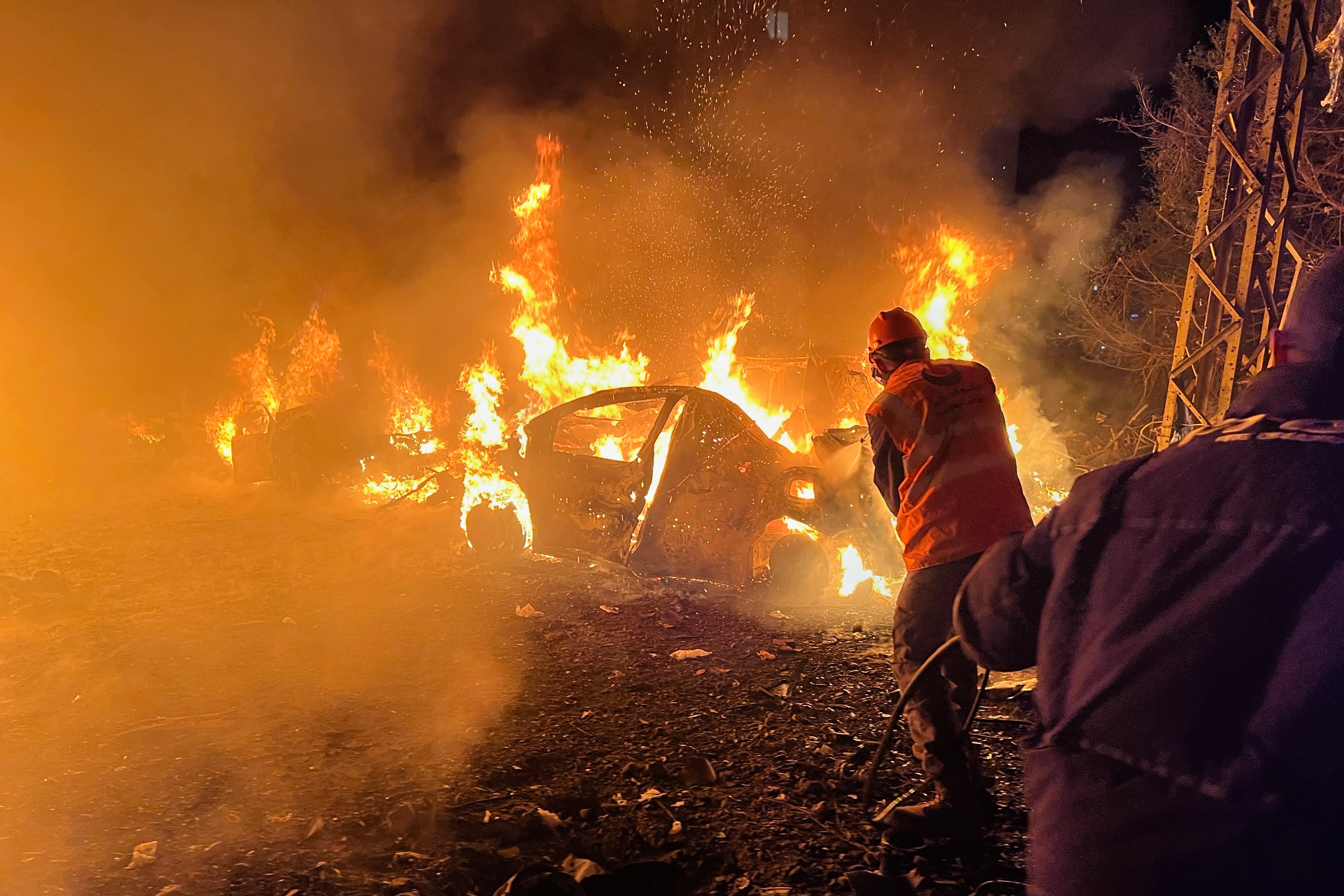
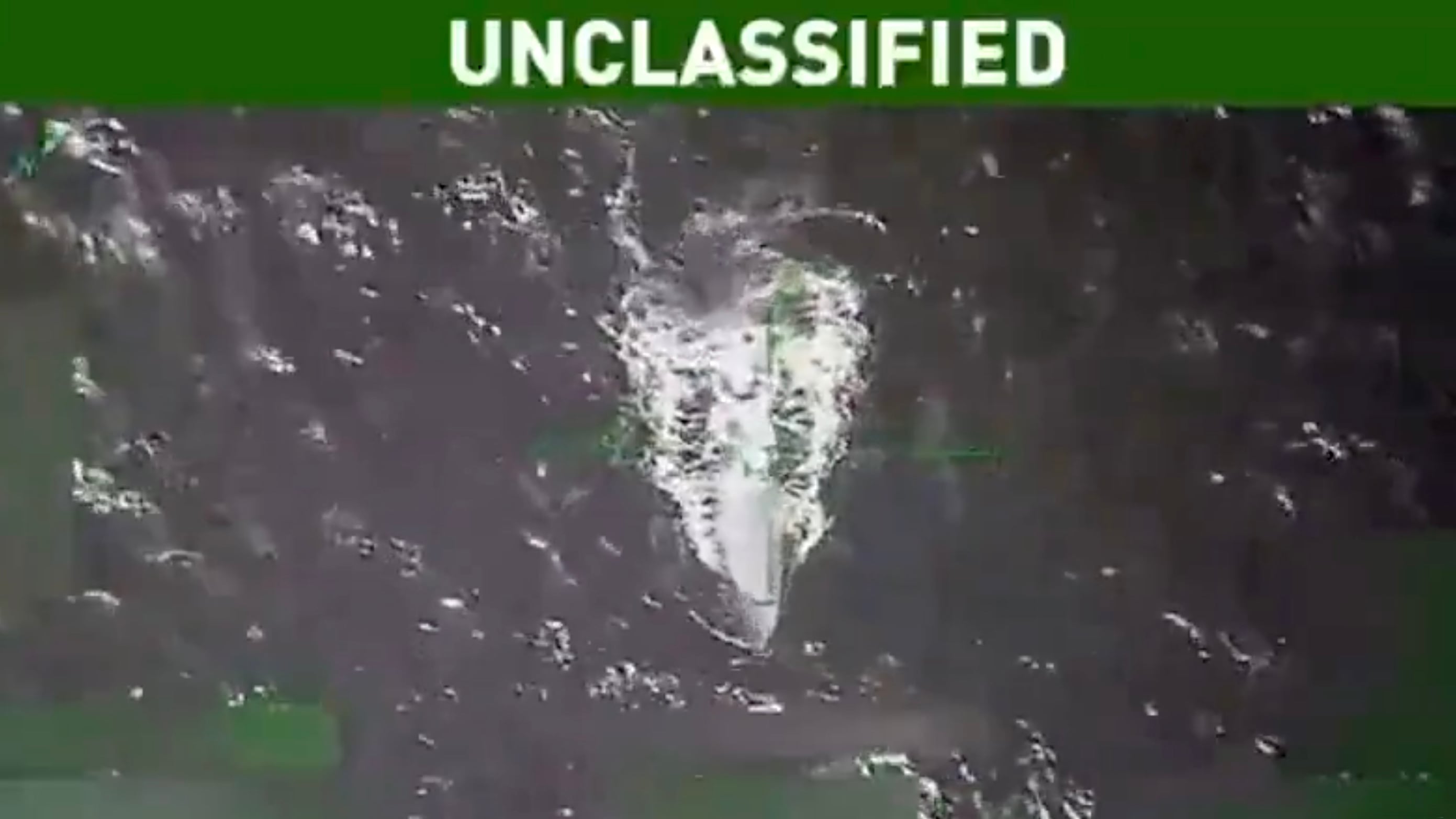
Obando Pérez was detained by Washington authorities after the bombing of a ship in the Caribbean Sea on October 16, as confirmed by US President Donald Trump and his Secretary of War, Pete Hegseth. According to the White House, the vessel attacked was a semi-submersible that was carrying “fentanyl and other illegal narcotics.” Four people were transported in it. Two died and Obando Pérez and an Ecuadorian citizen survived. Although the attacks on nine boats in the Caribbean and the Pacific Ocean are extrajudicial, according to humanitarian organizations such as Human Rights Watch, Trump indicated, when repatriating the survivors, that both would be taken for “detention and processing” in their respective countries.
The senior official of the Prosecutor’s Office, who spoke on condition of anonymity when revealing confidential information, confirms that Obando Pérez has no criminal record in Colombia and that the entity did not participate in the return operation to the country. Those in charge were the Colombia Migration agency and the Ministry of the Interior. It also ensures that, although the investigating entity opened an ex officio investigation, the repatriated person has not been mentioned in any judicial process in Colombia nor has he been formally linked to drug trafficking investigations in the past.
Obando Pérez is admitted to the Kennedy Hospital, in the southwest of Bogotá. A medical report to which this newspaper had access details that he was admitted with “a fracture at the base of the skull and orbit, as well as intracerebral injuries,” but “without evidence of seriousness.” At the beginning of the week, according to the document, he was already showing “improvements” and respiratory assistance was withdrawn. “He remains under observation and multidisciplinary medical care,” the clinical report states. Sources from the Ministry of the Interior maintain that there have been no contacts with their relatives.
The scenario that Obando emerges from hospitalization as a free man gains strength with the antecedent of Andrés Fernando Tufiño. He is the other survivor of the narco-submarine, who was sent to Ecuador, his country of origin. There, recently arrived, he was also treated in a hospital. And, although his arrest was planned at the time of his medical discharge, prosecutors refused to proceed with his capture and released him this Monday. A government document to which the Associated Press agency had access indicated that “there are no elements of conviction or indications that could lead the fiscal or judicial authority to be certain” that Tufiño committed a crime in Ecuadorian territory. In summary, the Ecuadorian organization had no evidence against Tufiño, a situation similar to that of Obando Pérez in Colombia.
Washington tightens the siege on Colombia
US attacks increasingly have their radar closer to Colombia, the largest cocaine producer in the world. At first, Trump’s military campaign seemed to have Venezuela in its sights. It was, according to experts, a prelude to a possible land incursion to overthrow Nicolás Maduro, or at least a way to promote a change of government from within. The National Navy maintains, however, that the largest number of submarines or boats with drug shipments have no links with Venezuela, since drug traffickers use the Pacific route more than the Caribbean route.
Of the nine bombings that Washington has recorded in the last two months, at least four have some connection with Colombia. In addition to the alleged narco-submarine in which Obando Pérez was sailing, President Gustavo Petro defends that in another attack, on September 15, a Colombian died. The president echoed information from RTVC, the public media network, which identified the deceased as Alejandro Carranza Medina, a native of Santa Marta, a city in the Caribbean. His relatives, who reported him missing, argue that he had no ties to drug trafficking. Petro suspects that this bombing could have occurred in Colombian waters. The United States has not confirmed the coordinates of any of its operations.
Another boat supposedly linked to Colombia was the one that Washington attacked on October 17 in the Caribbean. Secretary Hegseth said that it was “affiliated” with the National Liberation Army (ELN), the guerrilla with which Petro has tried on several occasions to reach a peace agreement. Three people died in the bombing. The armed group denied that the ship was theirs. Finally, one of the two attacks this Wednesday, the first in the Pacific in this military campaign, took place “off the Colombian coast,” Hegseth indicated. The White House has not confirmed whether the boat left Colombia or if there were Colombians on it.
For more updates, visit our homepage: NewsTimesWire