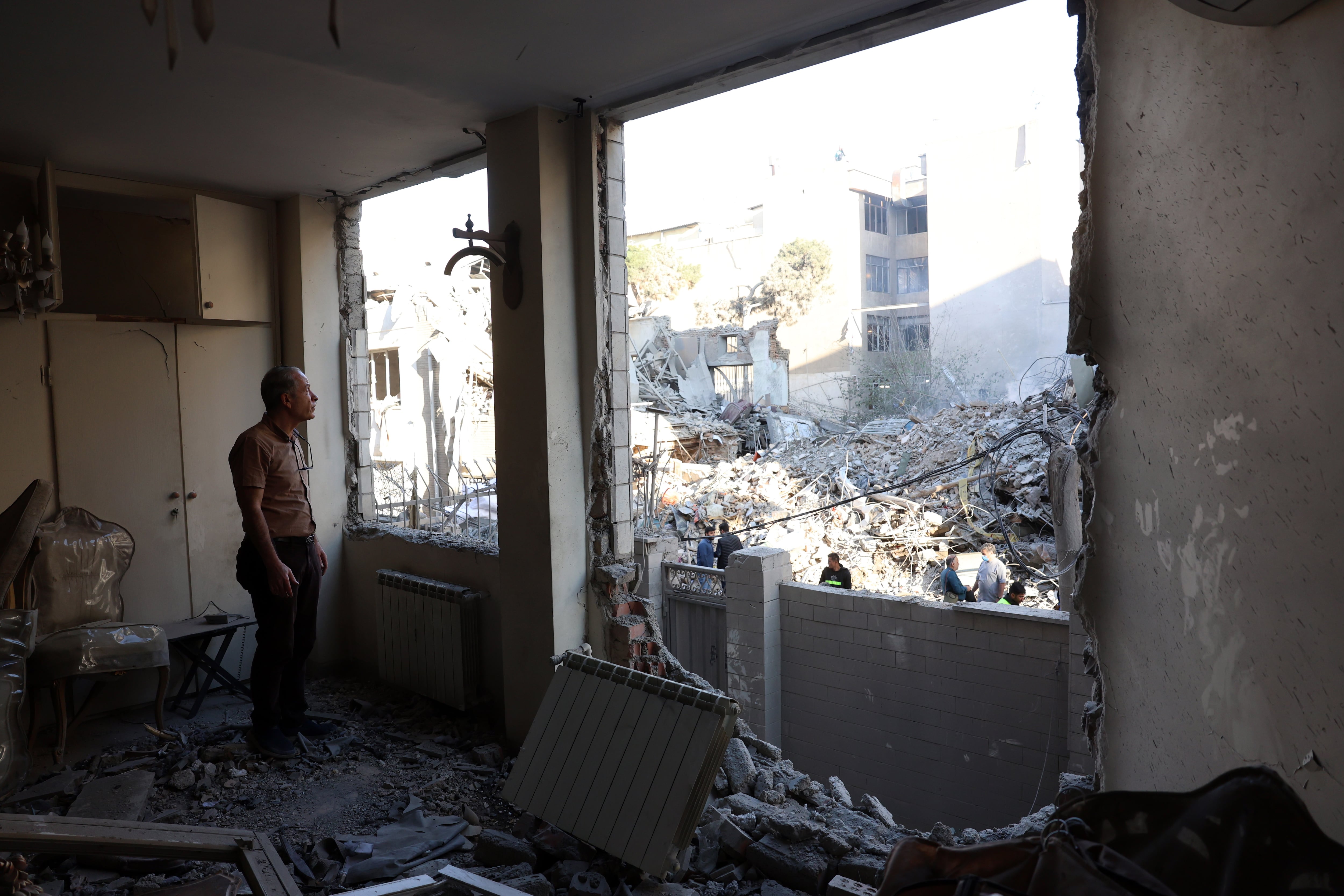
Iran distributes iodine tablets in Bushehr due to the possibility of an attack on Iranian nuclear facilities
Given the possibility of radioactive emissions resulting from a possible attack on the Bushehr nuclear power plant in southern Iran, the preventive distribution of iodine tablets among the population has begun, according to the ILNA Agency, the health authority of the Bushehr University of Medical Sciences.
The tablets are delivered to all health centers in the city, following a protocol that prioritizes the inhabitants closest to the plant. Each person receives a dose according to their age, with the aim of avoiding the absorption of radioactive iodine, which can cause permanent damage. The surroundings of the Bushehr nuclear power plant, the only operational one in Iran, have been the target of several attacks in recent weeks, with impacts recorded near the perimeter and even a short distance from the main reactor, which caused the death of one of the plant’s security agents. Faced with growing insecurity, the Russian company Rosatom, which collaborates in the operation of the complex, has evacuated a large part of its foreign personnel to guarantee their safety.
The Bushehr plant was built with Russian assistance and is equipped with a 1,000 MW reactor. Experts such as Kaveh Madaní, director of the United Nations University Institute for Water, Environment and Health (UNU-INWEH), based in Canada, warn that any serious damage to its security systems could have wide-ranging radioactive consequences, directly affecting the marine ecosystem of the Persian Gulf and the Sea of Oman.
For more updates, visit our homepage: NewsTimesWire