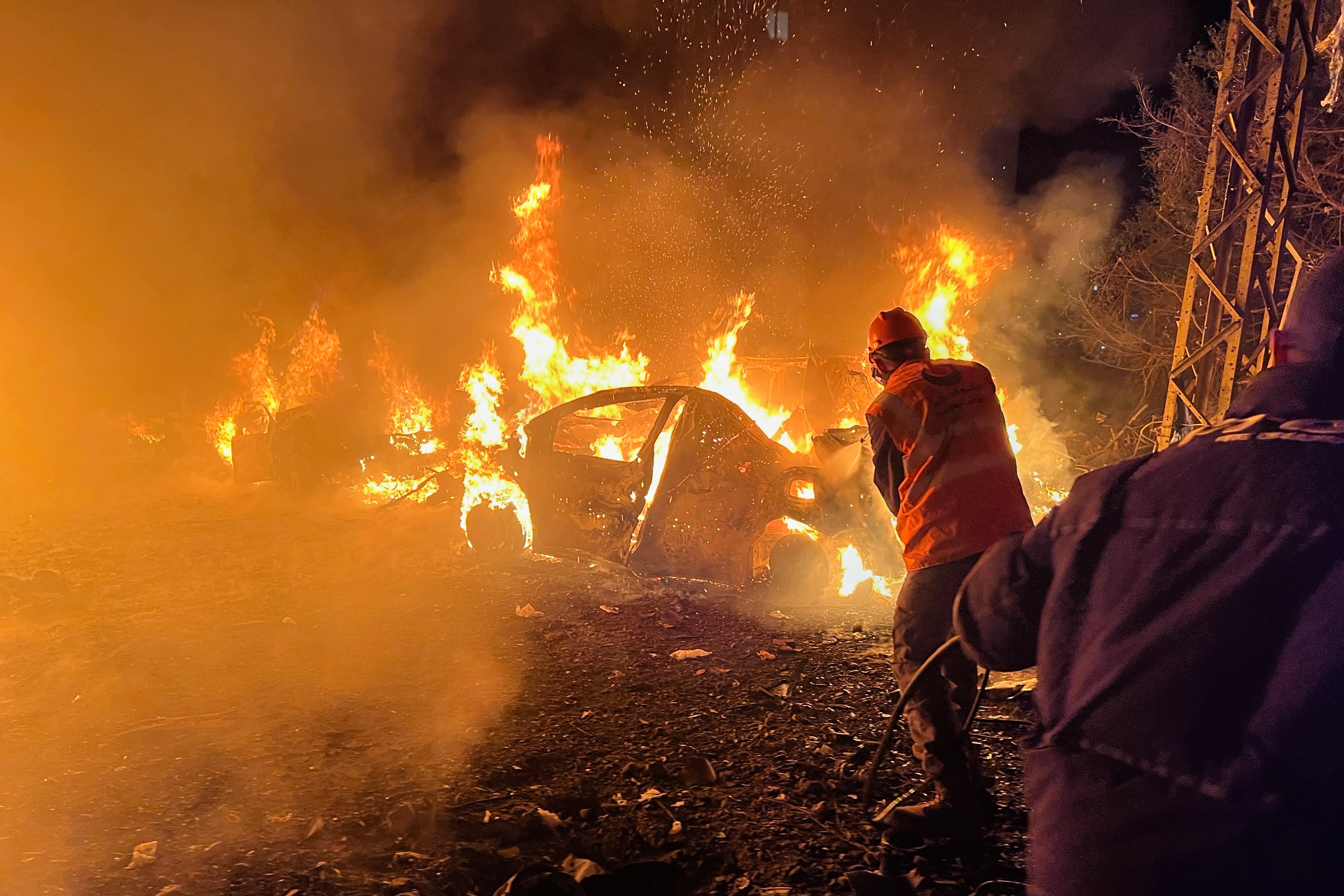
That Cuba was completely dark was just a matter of time. Like a corpse in its last, the country went out from the weekend. First it was the eastern provinces of Las Tunas, Granma, Holguín, Santiago de Cuba and Guantanamo that were plunged into a blackout, while reporting cuts of electric light in Matanzas or Havana. This Wednesday it was known about the collapse of the national energy system. It is not the first time that happens, but the fifth in less than two years, from that great mass blackout of October 18, 2024 when the island became several days a blind spot in the middle of the Caribbean Sea.
Despite the almost daily power cuts, some of up to 18 hours, and the constant failures of the Antonio Guiteras thermoelectric plant – which has become the laughing of the people after so much collapse – it could not be said that Cubans are accustomed to the hours supply of electricity. Despite being a known situation on the island since the early nineties, it has increased in recent years.
There are few things that awaken both the anger of the Cuban population and a blackout, because with it the suffocating heat comes, the mosquitoes, the food that begins to deteriorate, the lack of gas to be able to cook it, the water that ends or the children decimated to go to school.
When the electric union of Cuba (UNE) confirmed that by 9:14 in the morning of Wednesday there had been “a total fall” of the system, the patience of the Cubans had already been exhausted. “Go all of you, it’s what you have to do at once”; “I have developed an anxiety due to daily stress, this is no longer progressing, full 2025 and nothing improves”; “How long? Please think of the town, even once in their life,” some users wrote in X.
The cause: a fault in the largest thermoelectric plant
In a brief statement, the Ministry of Energy and Mines of Cuba said that, although the causes were still investigated, the blackout could be associated with “an unexpected exit” of the Guiteras, the largest thermoelectric plant in the country. The authorities also assured that they would begin with the process of restoration of electricity. “We have a well -defined strategy to face this situation,” Cuban Prime Minister Manuel Marrero said on the social network. They would work, he said, for “the restoration of the system in the shortest possible time.”
After three in the afternoon, UNE reported that they had more than 200 megawatts of active power in electric microsystems distributed throughout the country, and that they had prioritized essential places such as hospitals, bakeries and water pumps. The Cuban president, Miguel Díaz-Canel-by whom people were asking, having said nothing about the situation-arrived hours later with the message in X that they were “working hard” and that each province took their measures for the restoration of the supply.
Throughout the country you are working hard to reconnect the national electrical system. Thermoelectric plants are already being arrived with energy to trigger the entire process. Each province takes its measures, as you know how to do. Information has improved to our people.
-Miguel Díaz-Canel Bermúdez (@diazcanelb) SEPTEMBER 10, 2025
Even so, Cubans live knowing that it is a matter of hours for the next blackout to arrive. Massive or not, this is day to day on an island where experts do not see a possible solution in an old and completely deteriorated electroenergetic system, without the necessary maintenance and infrastructure. To this is added the fuel shortage of a country that does not have the currencies to guarantee the energy supply in each home. The specialists have calculated that the cost of renewing the electrical system would range between 8,000 and 10,000 million dollars (between 6,800 and 8,500 million euros).
Jorge Piñón, an expert in energy and who predicted the October blackout of last year, then declared to El País that, despite the momentary patches of the authorities to get out of the immediate collapse, he did not see possible a change in the Cuban electricity sector until the government “changes its economic model, decentralizes the economy and allows open investment”. Something that, he warned, could take years: “That is not from day to night.” Neither the oil that comes from Venezuela or Mexico, nor the help that comes from China, nor the one that has come from Russians is sufficient for a country with a systemic crisis.
Some Cubans manage to deal with the shortage of electricity with the solar plants or panels that their relatives of abroad buy. Others, on the verge of despair, have launched into the streets as protests that end up quickly silenced by the authorities.
This Wednesday, the official account of the UNE was forced to refuse that this official institution was inciting Cubans to take the streets as has recently happened in Nepal, after social networks circulate messages comparing the situation with the Asian country and asking Cubans to take the island by force.
For more updates, visit our homepage: NewsTimesWire