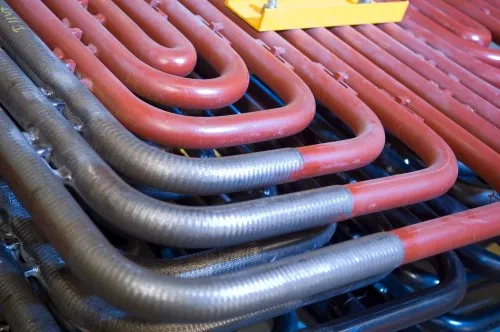
Boilers are a cornerstone of modern industry, playing a vital role in generating steam and heat for countless applications. At the heart of these systems lie boiler seamless tubes, which are designed to withstand extreme temperature and pressure conditions while delivering efficient heat transfer. Understanding the uses of boiler tubes is essential for industries that depend on reliable energy and steam generation.
In this blog, we’ll explore what boiler seamless tubes are, their properties, key applications, and why they remain a critical choice across multiple industries.
What Are Boiler Seamless Tubes?
Boiler seamless tubes are high-quality steel tubes used in boilers, heaters, and superheaters to transport hot gases, fluids, or steam. Unlike welded tubes, seamless tubes are manufactured without joints or welds, which makes them stronger and more reliable under high-pressure conditions.
Key characteristics include:
- High Strength – They can withstand internal pressure and thermal stress.
- Heat Resistance – Designed to operate at high temperatures without losing integrity.
- Corrosion Resistance – Protect against oxidation, scaling, and chemical attack.
- Dimensional Accuracy – Ensures precise fit and performance in boiler assemblies.
Because of these properties, boiler seamless tubes are the backbone of safe and efficient boiler operations.
Uses of Boiler Seamless Tubes
Boiler seamless tubes serve a wide range of uses across industries where steam and heat play a critical role. Below are the primary applications:
1. Steam Generation in Power Plants
One of the most important uses of boiler seamless tubes is in power plants. They carry water and convert it into high-pressure steam, which drives turbines to produce electricity. Seamless tubes are ideal because they can withstand the enormous pressure and temperature conditions of thermal power generation.
2. Heat Exchangers
In industrial boilers, seamless tubes are used in heat exchangers to transfer heat from hot gases to fluids. Their excellent thermal conductivity and resistance to scaling make them ideal for this function, ensuring maximum efficiency and extended service life.
3. Petrochemical Industry
Refineries and petrochemical plants rely on boiler seamless tubes for processes that involve heating hydrocarbons and producing steam for cracking units. Since these processes involve highly corrosive environments, seamless tubes are chosen for their superior resistance.
4. Oil and Gas Sector
Boilers in oil rigs and refineries require durable and heat-resistant tubes to generate steam for processing crude oil and other petroleum-based products. Seamless tubes are particularly valued here because they maintain integrity even under aggressive working environments.
5. Industrial Heating Systems
Industries such as textiles, paper manufacturing, and food processing use boiler seamless tubes for industrial heating. They provide uniform heat distribution, which is crucial for maintaining quality and efficiency in manufacturing processes.
6. Superheaters and Reheaters
In thermal power plants, seamless tubes are used in superheaters and reheaters to raise steam temperature beyond the saturation point. This improves turbine efficiency and ensures smooth plant operation.
7. Marine Applications
Ships and marine vessels also use boiler seamless tubes in their onboard steam generation systems. These tubes are designed to withstand the salty and humid marine environment while maintaining high performance.
Advantages of Boiler Seamless Tubes
The uses of boiler tubes are tied to their advantages:
- Leak-Free Performance – Absence of welds reduces the risk of failure under pressure.
- Durability – Longer life span compared to welded tubes.
- High Efficiency – Provide excellent heat transfer, saving energy costs.
- Versatility – Can be used in a wide range of industries and applications.
- Safety – Withstand extreme working conditions, minimizing accident risks.
Materials Used in Boiler Seamless Tubes
The choice of material depends on the working temperature, pressure, and medium. Common materials include:
- Carbon Steel – Suitable for low to moderate temperature and pressure.
- Alloy Steel – Offers improved resistance to heat and corrosion.
- Stainless Steel – Excellent for corrosive environments and high temperatures.
Why Industries Prefer Boiler Seamless Tubes
Boiler seamless tubes are trusted in critical operations where failure is not an option. Power generation, petrochemicals, and refineries cannot afford downtime due to tube failure. By using seamless tubes, industries ensure operational continuity, efficiency, and safety.
Future of Boiler Seamless Tubes
With industries increasingly focusing on energy efficiency and sustainability, boiler seamless tubes will continue to evolve. Innovations in alloy compositions, coatings, and manufacturing techniques will further enhance their lifespan and performance.
Conclusion
Boiler tubes are the silent workhorses behind power plants, refineries, and countless industrial operations. From generating electricity to heating chemicals and producing steam for industrial processes, boiler seamless tubes are indispensable. Their ability to withstand extreme conditions while maintaining performance makes them the preferred choice across industries.
As industries push toward higher efficiency and sustainability, the demand for reliable and durable seamless tubes will only grow. Choosing the right boiler seamless tubes ensures not just efficient operation, but also safety, cost-effectiveness, and long-term reliability.