In a world increasingly shaped by digital transformation, choosing the right development partner is one of the most critical decisions a business can make. Whether you’re building a mobile app, modernizing legacy systems, or creating an end-to-end enterprise platform, the outcome hinges on who you trust to design, develop, and deliver your software.
But with so many vendors promising innovation, speed, and scalability, how do you separate the best from the rest?
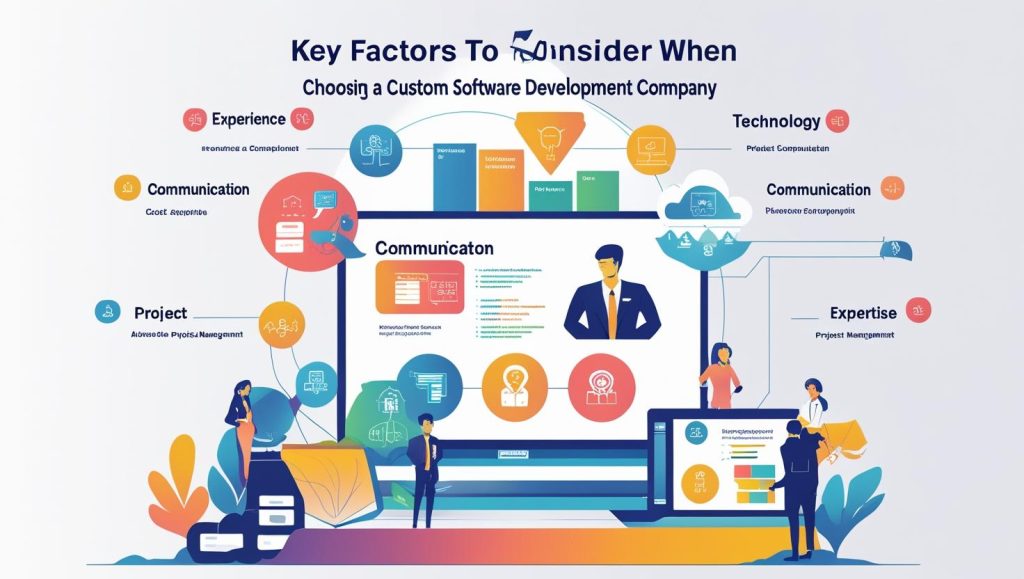
This blog highlights the key factors to consider when evaluating a software development partner—so you can make a confident, strategic choice.
1. Technical Expertise and Technology Stack
The foundation of any software project is the technical capability of the development team. Look beyond surface-level promises and examine their actual expertise:
-
What languages, frameworks, and platforms do they specialize in?
-
Do they have experience with your preferred tech stack (e.g., JavaScript, Python, .NET, React, AWS, etc.)?
-
Are they up to date with current technologies such as cloud, AI, or microservices?
You want a team that not only knows the latest tools but also understands when (and when not) to use them.
2. Industry Experience
Domain knowledge plays a big role in project success. A team that understands your industry can:
-
Anticipate specific challenges
-
Recommend relevant features
-
Shorten the discovery phase
-
Ensure regulatory compliance (especially important in healthcare, finance, or logistics)
Ask for case studies or examples of work in sectors similar to yours. Experience in your niche often translates to fewer errors and faster delivery.
3. Portfolio and Past Projects
A strong portfolio is a signal of credibility and quality. Reviewing past work helps you assess:
-
UI/UX quality
-
App performance
-
Creativity and problem-solving skills
-
Scalability of solutions delivered
Pay special attention to projects similar in size or complexity to yours. Look for consistency in quality across different applications and platforms.
4. Client Reviews and References
What do their past clients say?
Don’t rely solely on testimonials listed on their website. Check third-party review sites like Clutch, GoodFirms, or even LinkedIn recommendations. Better yet, ask to speak directly with a few references.
In your conversations, focus on:
-
Project delivery timelines
-
Communication quality
-
Post-launch support
-
How challenges were handled
Real client feedback can reveal red flags or confirm trustworthiness.
5. Development Methodology
How a company builds software is as important as what it builds.
-
Do they use Agile, Scrum, or Waterfall methodologies?
-
Is the process flexible and collaborative?
-
Will you be involved in sprint reviews, testing, and feature prioritization?
A transparent and iterative process means better alignment and fewer surprises. It also ensures you can adapt the product as your business needs evolve.
6. Communication and Project Management
Successful projects rely on strong communication.
Ask:
-
Will you have a dedicated project manager?
-
How frequently will you receive updates or demos?
-
What tools will be used for tracking progress (e.g., Jira, Trello, Slack)?
Clear, consistent, and honest communication keeps projects on time, on budget, and aligned with your expectations.
7. Scalability and Long-Term Partnership
You’re not just building software—you’re building a relationship.
The right partner should:
-
Be capable of scaling the solution as your user base grows
-
Offer long-term support and maintenance
-
Assist with version upgrades, patches, and performance optimization
-
Be open to future collaboration for new features or products
Choosing a team that sees your project as a partnership—not a transaction—adds long-term value to your investment.
8. Security and Compliance
Security should be baked into every stage of the development process.
Make sure the team follows:
-
Secure coding practices
-
Data privacy regulations (GDPR, POPIA, HIPAA, etc.)
-
Regular audits and penetration testing
For businesses dealing with sensitive customer or financial data, this is non-negotiable. Discuss their protocols for data protection, encryption, and access control.
Read Here : In-House vs Outsourcing: Choosing the Right Mobile App Development Team Model
9. Pricing Transparency
Cheaper doesn’t mean better—but clarity in pricing always matters.
Ask for a detailed cost breakdown:
-
Fixed vs. hourly rates
-
What’s included (design, testing, maintenance)?
-
Change management policies (what happens if the scope changes?)
-
Payment milestones tied to project phases
Avoid vendors who are vague or overly eager to underbid competitors. It often leads to hidden fees or compromised quality.
10. Cultural Fit and Team Chemistry
Last but not least—do your teams “click”?
While this may seem subjective, cultural alignment can:
-
Improve collaboration
-
Enhance creativity
-
Reduce misunderstandings
Consider factors like time zone compatibility, working hours, communication style, and team responsiveness. When your internal and external teams sync well, productivity and morale rise naturally.
Conclusion
Selecting the right software partner isn’t just about coding skills—it’s about finding a team that understands your goals, aligns with your working style, and is committed to delivering quality over the long haul.
By considering these key factors—technical ability, industry experience, communication, security, and long-term support—you position your business for a successful software outcome.
If you’re ready to build your next application, make sure you choose a custom software development company that prioritizes your vision, budget, and long-term success.