Stainless steel has become one of the most reliable materials across industries due to its durability, corrosion resistance, and versatility. Among its various forms, stainless steel strips are particularly popular because of their adaptability in different applications. These thin, flat pieces of stainless steel are manufactured through precision rolling and cutting, making them suitable for both industrial and commercial uses. From automotive components to construction, electrical equipment, and medical devices, stainless steel strips play a crucial role in modern engineering.
In this blog, we will discuss the properties, advantages, and most importantly, the uses of stainless steel strips across different industries.
What are Stainless Steel Strips?
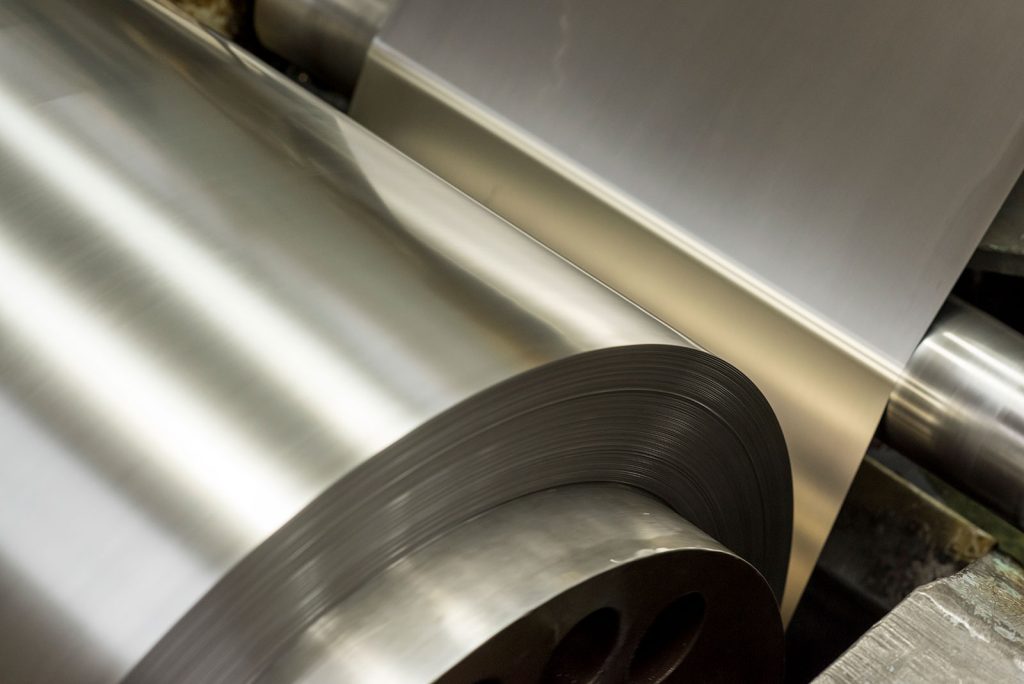
Stainless steel strips are flat, thin sections of stainless steel, typically produced by cold rolling stainless steel sheets and coils. They come in different grades such as 304, 316, 410, and 430, depending on the required application. These strips are highly resistant to rust, staining, and oxidation, making them ideal for long-term use even in harsh environments.
Key characteristics include:
- High tensile strength
- Corrosion and oxidation resistance
- Easy to fabricate and weld
- Smooth surface finish
- Temperature resistance
These features make stainless steel strips one of the most adaptable materials for industrial and commercial applications.
Advantages of Stainless Steel Strips
Before we look at their uses, let’s understand why stainless steel strips are so widely preferred:
- Corrosion Resistance – They withstand exposure to moisture, chemicals, and harsh environments.
- Durability – Their high tensile strength ensures long service life.
- Heat Resistance – Stainless steel strips can handle extreme temperatures without losing strength.
- Hygienic Properties – Easy to clean, making them suitable for food and medical applications.
- Versatility – Available in various grades and surface finishes for specific needs.
Industrial Uses of Stainless Steel Strips
1. Automotive Industry
In the automotive sector, stainless steel strips are widely used in the production of exhaust systems, trim parts, clamps, and fuel tanks. Their corrosion resistance ensures that vehicles remain durable even when exposed to road salts, moisture, and high temperatures.
2. Construction and Architecture
In building and infrastructure, stainless steel strips are used for structural reinforcements, roofing, wall cladding, and decorative elements. They add strength while maintaining a sleek, modern appearance. Stainless steel strips are also used in expansion joints, railings, and elevator panels.
3. Electronics and Electrical Industry
The electrical industry relies on stainless steel strips for connectors, terminals, battery enclosures, and electronic components. Their excellent conductivity and resistance to corrosion make them highly dependable in sensitive electronic equipment.
4. Medical Applications
Hygiene and sterilization are critical in healthcare. Stainless steel strips are used in surgical instruments, hospital equipment, dental tools, and medical implants. Their smooth surface prevents bacterial growth, making them ideal for sterile environments.
5. Food and Beverage Industry
Food safety regulations demand materials that are hygienic and non-reactive. Stainless steel strips are used in food processing machines, kitchen equipment, conveyors, and packaging machinery. They do not contaminate food and can withstand regular cleaning.
6. Chemical and Petrochemical Industry
In industries where exposure to chemicals and high temperatures is frequent, stainless steel strips are used for storage tanks, chemical processing equipment, gaskets, and heat exchangers. They ensure safety and longevity even under corrosive conditions.
7. Energy and Power Generation
Stainless steel strips are vital in nuclear plants, wind turbines, and solar panels due to their ability to withstand extreme conditions. They are also used in boilers, pressure vessels, and pipelines in power plants.
8. Aerospace and Defense
The aerospace industry demands materials that are lightweight yet strong. Stainless steel strips are used in aircraft parts, engine components, and defense equipment because of their high strength-to-weight ratio and resistance to extreme weather.
9. Household Appliances
From washing machines and refrigerators to dishwashers and microwave ovens, stainless steel strips are an essential material in modern home appliances. They provide durability, rust resistance, and a sleek appearance.
10. Packaging Industry
In specialized packaging applications, stainless steel strips are used in strapping, sealing, and protective packaging for heavy-duty goods. Their strength ensures safe handling during transport.
Specialty Applications of Stainless Steel Strips
Beyond mainstream industries, stainless steel strips are also used in:
- Watchmaking and Jewelry – For precision components and decorative designs.
- Springs and Fasteners – Used in machinery and tools.
- Marine Industry – Ideal for shipbuilding, boat fittings, and offshore applications due to saltwater resistance.
Why Choose Stainless Steel Strips Over Other Materials?
Compared to aluminum, copper, or mild steel, stainless steel strips offer better corrosion resistance, higher durability, and versatility. Although they may be more expensive initially, the long-term cost savings in terms of reduced maintenance and replacements make them a preferred choice.
Conclusion
Stainless steel strips are one of the most versatile forms of stainless steel, with applications ranging from automotive and aerospace to construction, food processing, and medical devices. Their corrosion resistance, strength, and hygienic properties make them indispensable in industries where safety, durability, and performance are critical.
As industries continue to innovate, the demand for stainless steel strips will only grow, making them a crucial component of modern engineering and manufacturing.