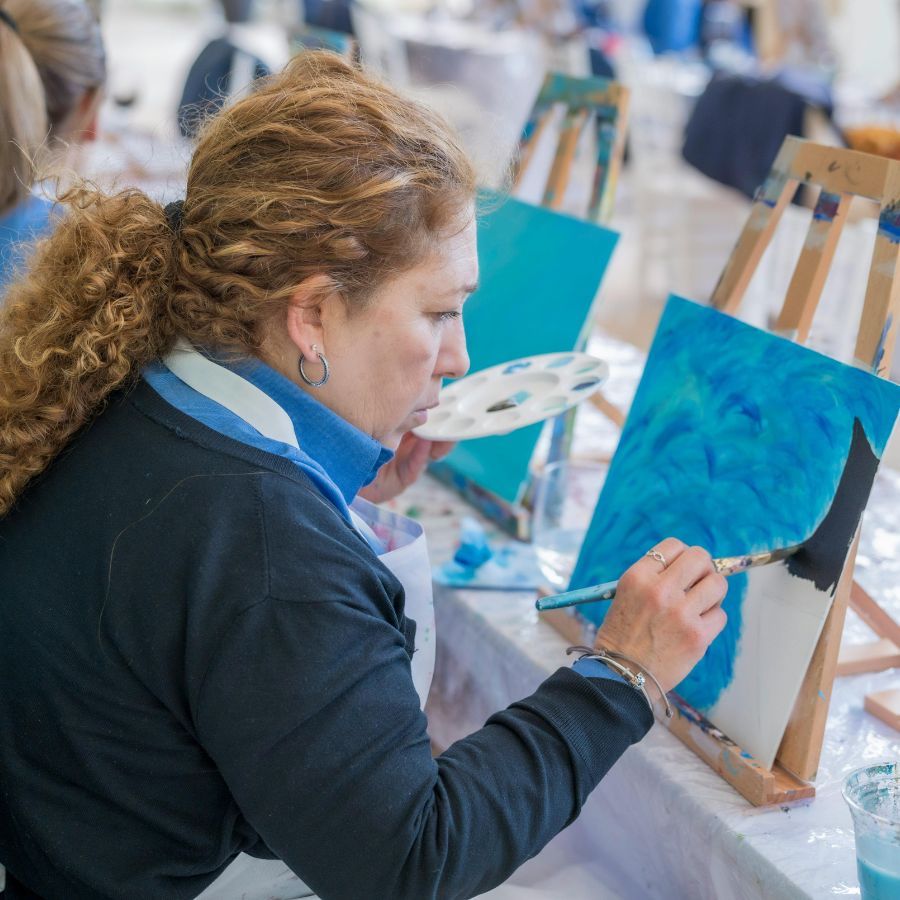
Joining an adult art class is an exciting step—whether you’re rediscovering a childhood passion or trying something new. But before you walk into your first session, one question always pops up: “What supplies do I need?”
The truth is, every art class for adults is different, and the tools you need depend largely on the medium you’ll be learning. That said, there are some universal essentials and medium-specific supplies that can help you feel prepared, confident, and ready to create.
This guide breaks down everything you need—**from basic tools to specialized materials—**so you can enter the studio with confidence.
Start by Checking the Type of Class You’re Joining
Before buying anything, take a moment to understand what kind of art class you’ve enrolled in. Adult art courses typically fall into categories such as:
-
Drawing
-
Acrylic painting
-
Watercolour painting
-
Oil painting
-
Mixed media
-
Sculpture/clay modelling
Each type requires different tools, so confirming the medium saves you both time and unnecessary expenses. If your instructor has provided a supply list, use that as a starting point. But if you’re unsure, this guide covers all essentials.
Universal Art Supplies Every Beginner Should Bring
Even though art mediums differ, some tools are useful in any adult art class. These basics help you sketch, plan, take notes, and stay organized.
Sketchbook (A4 or A3)
Choose a spiral-bound sketchbook with 120–160gsm paper. It allows easy flipping, erasing, and experimenting with pencils, charcoal, or light ink.
Graphite Pencils (HB to 6B)
A simple set of pencils helps you sketch outlines before painting or practicing strokes in drawing-based sessions. Softer pencils (4B–6B) create darker tones, while HB is ideal for drafting.
Erasers
-
Kneaded eraser: Great for lightening charcoal or graphite.
-
Vinyl/plastic eraser: For clean, precise corrections.
Sharpener or Craft Knife
A sharp pencil gives you better control when drawing or marking reference points.
Apron or Old Shirt
Art studios can get messy! Wearing a protective layer saves your clothes from paint splashes, clay or graphite dust.
Tote Bag or Art Carry Case
A sturdy carry bag makes transporting your supplies easier and keeps everything organized.
Medium-Specific Art Supplies
Once you know your medium, you can select the right tools for your class. Below is a detailed breakdown for every category.
Drawing Class Essentials
If you’re joining a drawing or sketching course, these supplies will serve you well:
Graphite & Charcoal
Include both charcoal sticks and soft graphite for expressive sketching.
Blending Tools
Stumps, tortillons, or even cotton buds help smooth shading.
Sketching Paper
Choose between:
-
Smooth paper: For detailed pencil drawing
-
Textured paper: For charcoal or expressive styles
Fineliners or Ink Pens
If your class includes pen illustration, a basic set of fineliners is helpful.
Fixative Spray (Optional)
Prevents smudging, especially useful for charcoal drawings. Many studios provide this.
Acrylic Painting Class Essentials
Acrylics are popular in adult art classes because they dry fast and are beginner-friendly.
Acrylic Paints
Start with a student-grade set. Must-have colours include:
-
Red
-
Blue
-
Yellow
-
White
-
Black
Brushes
Include different shapes:
-
Flat
-
Round
-
Filbert
Choose small, medium, and large sizes.
Canvas or Acrylic Paper
Acrylic paper pads are affordable and excellent for practice. Canvas boards are great for final pieces.
Palette
Pick from:
-
Plastic palette
-
Disposable palette pads
-
Glass palette (easy to clean)
Water Container & Rags
Useful for rinsing brushes and wiping off excess paint.
Palette Knives
Ideal for texture work, mixing colours, or abstract techniques.
Watercolour Painting Class Supplies
Watercolour requires a slightly different setup due to its translucency and fluidity.
Watercolour Paints
You can choose:
-
Pans: Less messy, travel-friendly
-
Tubes: More vibrant, better for larger artworks
Watercolour Paper
Types include:
-
Cold press: Slight texture, ideal for beginners
-
Hot press: Smooth surface
Brushes
Must-haves:
-
Round brush
-
Mop brush
-
Liner brush
Masking Tape & Masking Fluid
Used to protect areas you want to keep white.
Drawing Board
Helps you tilt your work for natural water flow.
Spray Bottle
Keeps paints moist and workable.
Oil Painting Class Essentials
Oil painting requires more preparation, but it delivers rich colour and texture.
Oil Paints
Begin with a basic palette of primary colours plus white.
Mediums
-
Linseed oil
-
Odourless mineral spirits (for thinning and cleaning)
Canvas or Oil Paper
Thicker surfaces handle the oil without damage.
Brushes
Hog hair brushes hold oil paint well.
Brush Cleaner Jar
Needed for removing oil-based pigments.
Gloves and Apron
Since oil stains are stubborn and often permanent.
Mixed Media Class Supplies
Mixed media encourages experimentation, so a variety of tools can be useful.
Basic Colours
Include acrylics, watercolours, or inks.
Drawing Tools
Coloured pencils, markers, gel pens.
Textured Materials
Fabric pieces, scrapbook paper, textured pads.
Adhesives
-
Glue sticks
-
Gel medium
-
Matte medium
Basic Cutting Tools
Safety scissors and a craft knife.
Stencils or Stamps
Optional, but great for patterns.
Sculpture or Clay Class Supplies
If your class involves clay or sculpting, you’ll need:
Clay Tools
Loop tools, needle tools, ribbon tools for detailing.
Water Container
Keeps clay moist for shaping.
Microfibre Cloth
Useful for wiping and smoothing.
Armature Wire
For building internal structure (if required).
Closed-Toe Shoes
Safety first—especially when working with tools.
Should You Choose Budget or Premium Supplies?
Beginners often wonder whether they should invest in high-end tools. Here’s the simple rule:
Choose student-grade supplies when starting.
They’re affordable and perfectly suitable for learning.
But consider investing in:
-
Good quality brushes
-
Medium-weight paper
-
Durable palettes or drawing boards
These items dramatically improve your experience without being overly expensive.
What Not to Buy as a Beginner
You don’t need:
-
Expensive branded sets
-
Large-size canvases
-
Dozens of brush types
-
Advanced mediums like varnish, fixatives, or glazing liquids
Start small and expand gradually.
Tips for Organizing and Carrying Your Art Supplies
Being organized makes your art class smoother and more enjoyable.
-
Use a bag with compartments
-
Store brushes upright
-
Keep a small kit for essential tools
-
Label your materials
-
Use pencil rolls for drawing tools
Good organization saves time and reduces stress during class.
Creative and Mental Preparation Matters Too
Beyond physical tools, bring:
-
A beginner mindset
-
Patience
-
Willingness to explore
-
Respect for shared studio spaces
These “invisible tools” can make your learning journey far more fulfilling.
Conclusion
Joining an adult art class is a wonderful opportunity to express yourself, learn new techniques, and meet creative people. Having the right supplies not only makes your experience easier but also boosts your confidence from the very first session. Start with the essentials, confirm the medium, and gradually build your toolkit as you progress.
With the right preparation, you’ll walk into your class feeling ready, inspired, and excited to create.
Frequently Asked Questions
1. Do adult art classes provide materials?
Some beginner classes provide supplies, but long-term courses often require students to bring their own kits.
2. What is the bare minimum I need to bring?
A sketchbook, pencil set, eraser, sharpener, and apron.
3. Should beginners buy expensive supplies?
Not necessary. Student-grade supplies are usually enough, though good brushes and paper can improve results.
4. How much should I expect to spend initially?
Anywhere from ₹1,500 to ₹3,000 for drawing or acrylic basics. Costs vary for oil painting or specialised mediums.
5. Can I use substitutes if something is unavailable?
Yes—cloth instead of paper towels, plastic plates instead of palettes, or old shirts instead of aprons.
6. Do art classes include digital art?
Many modern studios offer digital sessions, which require tools like tablets, styluses, and drawing apps.