
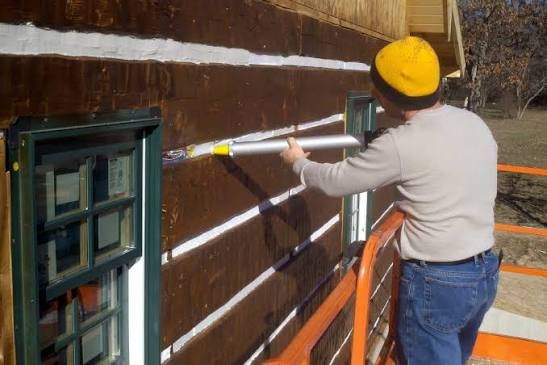
Homeowners always concentrate on big-ticket items such as roofs, basements, and windows, yet one of the most proactive ways to secure a home is also among the most neglected. Chinking and sealing keep out dampness, drafts and pests, and they do it silently for years. When this task is done correctly, it can save you from restorations that run into the thousands. Below, you will see how it works and why it is super important;
What Chinking and Sealing Actually Do
Chinking and caulking refer to the adaptable materials utilized to the gaps and joints in a home’s outdoor, most usually in log and wood construction. Chinking fills the gaps between logs, while caulking closes smaller breaks, joints and openings near windows, entryways and wall corners. Together they make a consistent defense that protects the structure from the elements. Wood organically expands and shifts with changes in temperature and humidity. Without an adaptable seal, those small developments open spaces that allow air and water in. Standard chinking and sealing materials are made to flex and rebound, so the barrier remains intact even as the house moves through the weather changes.
Why Moisture Is the Biggest Threat
Water is the most common reason for pricey home damage, and it rarely reveals itself right away. A tiny gap between timbers or around a window frame can let rain and melting snow leak into the wall. As time goes on, that trapped dampness results in rot, mildew and weakened building wood. Correct chinking and sealing avoid that cycle before it begins. By maintaining water on the outside where it fits, the treatment secures the wood from deterioration and helps keep your house stay dry and sound. Changing rotted logs or repairing water-damaged framing is far more expensive than maintaining a good seal, which is why avoidance pays off.
Keeping Pests Out of Your Walls
Spaces and breaks are open welcome mats for insects and small animals. Wood-boring insects, termites, paper wasps and mice all look for easy entry points into a house, and even a narrow opening can be sufficient. Once pests move into the walls, they can harm insulation, chew through wiring and sacrifice the wood itself. A well-applied seal always closes those entrances. Rather than paying for consistent pest treatments and repairing the harm they make, you block passage in the first place. This is among the less noticeable but most valuable gains of maintaining your chinking and caulking in good state.
Lower Energy Bills Year-Round
Air seepage is a very big source of wasted energy. In winter, heated air escapes through spaces in the walls while cold air creeps in. In summer, the reverse occurs and your air conditioner works very hard to keep pace. Over a full year, those wastes add up to visibly greater electricity bills. Correctly applied chinking and caulking close those seepages and improve the home’s entire effectiveness. Rooms hold their warmth better, heating and cooling units cycle less often, and the home feels more comfortable. Less strain on your HVAC system also means minimal breakdowns and a longer system lifetime, which is another restoration cost avoided.
Protecting the Structure From Settling and Shifting
Every house settles as time goes on, and timber homes in particular experience organic contracting as the wood dries and changes. This movement can create stress at the joints between timbers and around gaps. If those joints are inflexible or improperly sealed, cracks widen and the spaces grow bigger. Adaptable chinking absorbs this movement without splitting. That supports upkeep the credibility of the wall unit and decreases the opportunity of bigger building problems improving later. A small contribution to correct sealing keeps slight shifts from becoming very big repair tasks.
Signs Your Home Needs Attention
Chinking and caulking do not always last and understanding the red flags supports you in acting in time. Look for breaks, peeling or caulking in the material, along with gaps where it has split away from the wood. Noticeable daylight around windows and doors, indoor drafts and unexplained increases in energy charges are also red flags. Other signs involve darkened or soft patches in the wood, stale smells and developed pest presence near the walls. In case you see any of these, a timely checkup can help find the issues while it is still a small repair.
Correct chinking and caulking defend your house against water damage, pests, wasted energy and building stress, all of which can become pricey when neglected. With routine checkups and quality skill, you can keep your house convenient, effective and sound for years to come. If it has been a while since your last inspection, now is the right time to have your house evaluated and contribute to avoidance rather than pricey repairs.
