
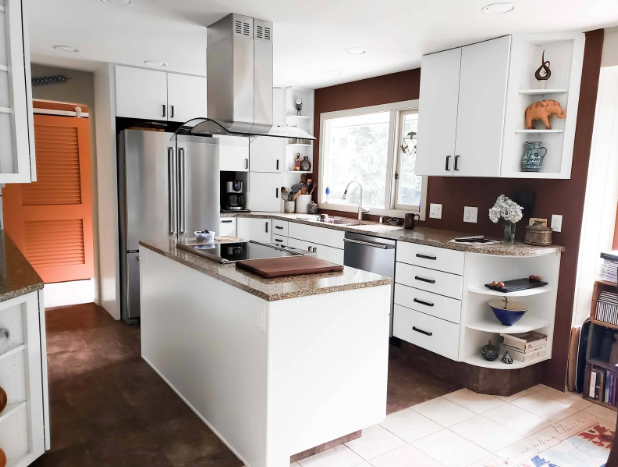
An island cooktop creates an open cooking area, but it also allows smoke, steam, grease, and odors to spread in several directions. Choosing the right ventilation system helps manage these cooking byproducts while keeping the kitchen comfortable. When comparing island hood range hoods, consider more than appearance or advertised airflow. Hood width, motor capacity, filter design, installation requirements, and ducting options all influence performance. Understanding these features before purchasing can help homeowners select a model that suits their cooking habits, fits the island layout, and provides practical ventilation for everyday use.
Choose a Hood That Matches the Cooktop
Hood width is an important starting point when choosing a ventilation unit. It should generally match or exceed the cooktop’s width to capture rising smoke and grease effectively. Island installations may benefit from extra coverage because cooking vapors can escape from multiple sides.
Measure your cooktop and available ceiling space before comparing models. Proline’s island collection includes options ranging from 24 to 72 inches, depending on the model. However, a larger hood is not always the best fit. When comparing island hood range hoods, check exact dimensions, mounting requirements, and recommended installation height to ensure the unit suits your kitchen layout.
Compare Airflow With Your Cooking Needs
Airflow capacity, measured in cubic feet per minute (CFM), shows how much air a range hood can move. The required capacity depends on the cooking equipment, heat output, and frequency of use. Frequent frying, searing, and high-temperature cooking generally produce more smoke and grease than occasional low-heat meal preparation.
Proline offers models with varying airflow capacities, ranging from 600 CFM to select units delivering up to 2,000 CFM. Since performance differs between models, check individual specifications before choosing. Higher CFM may suit demanding cooking needs, but duct size, length, and installation quality also influence ventilation performance.
Decide Between Ducted and Ductless Ventilation
Ducted systems move cooking exhaust outside the home through a connected duct. This setup is generally preferred when suitable exterior venting is available because it removes smoke, heat, and odors from the kitchen instead of recirculating the air.
Ductless systems use filters to capture certain airborne particles and reduce odors before returning air to the room. They can be useful when installing exterior ductwork is not practical. Some Proline models can be converted to ductless operation with an optional charcoal filter accessory. When comparing island hood range hoods, confirm whether the selected model supports ductless conversion and check which filter accessories are required.
Review Filters and Everyday Controls
Filters play an important role in collecting grease before it enters the ventilation system. Stainless steel baffle filters are available on several Proline models. These filters separate grease from moving air and are designed for regular cleaning. Some models also feature dishwasher-safe filters, which can make routine maintenance more convenient.
Controls and lighting deserve attention as well. Depending on the model, features may include push buttons, touch controls, rotary knobs, variable-speed settings, and LED lighting. Multiple fan speeds let users adjust ventilation to match different cooking tasks. Good lighting also improves visibility over the cooktop, especially when the island is positioned away from other ceiling fixtures.
Plan the Installation and Maintenance
Island hoods attach to the ceiling rather than a wall, so secure mounting and accurate alignment are essential. Before ordering, confirm the ceiling structure can support the selected unit and that the electrical connection and duct route meet the installation requirements. Professional installation is worth considering, particularly for heavy models or kitchens with complex ceiling layouts.
Regular care helps maintain airflow and appearance. Clean grease filters according to the manufacturer’s instructions, wipe the exterior with a suitable non-abrasive cleaner, and check the ventilation path for buildup. For ductless systems, replace charcoal filters at the intervals recommended for the model and usage level.
A suitable ventilation setup should match the cooktop dimensions, cooking habits, available ductwork, and kitchen design. Comparing these factors makes it easier to choose a practical kitchen hood that supports effective ventilation and fits the space.
