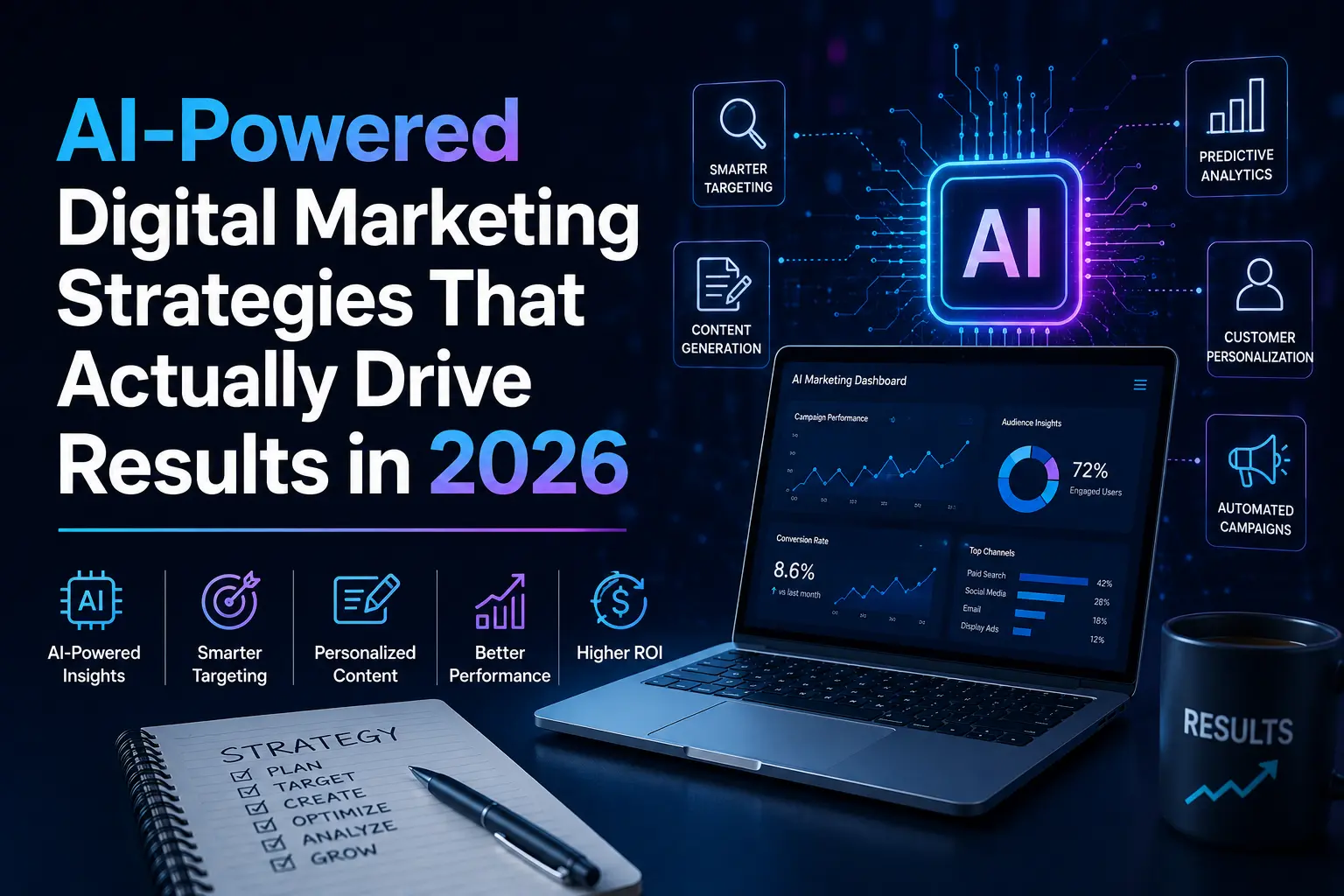
Artificial intelligence has moved past the experimental phase to become the foundational infrastructure of high-performing marketing teams. In 2026, the competitive advantage no longer comes from simply using AI tools, but from integrating intelligent systems that orchestrate campaigns, interpret complex data, and deliver hyper-personalized customer experiences at scale. Success today requires a strategic pivot from manual execution to oversight, where human intuition guides autonomous systems toward deeper business objectives.
Orchestrating Campaigns with Agentic AI
Modern marketing has shifted toward “agentic” workflows—systems that don’t just provide suggestions but autonomously execute and optimize tasks based on real-time feedback. Instead of manually adjusting ad bids or refreshing email segments, marketers now set the strategic boundaries, allowing AI agents to monitor performance and recalibrate in real-time. This reduces latency between identifying a trend and responding to it, ensuring that budget is always allocated to the most profitable touchpoints.
-
Real-Time Ad Bidding: Utilize platforms that dynamically shift budget toward ad sets showing the highest conversion probability based on live user engagement signals.
-
Predictive Lead Scoring: Implement systems that analyze historical customer journeys to identify “high-intent” leads, automatically triggering personalized outreach before a human sales representative intervenes.
-
Automated Content Recycling: Deploy agents to identify high-performing evergreen content and repurpose it into new formats like social media snippets or email newsletters without requiring manual drafting.
-
Dynamic Personalization: Shift from static email templates to AI-generated experiences that adjust copy, imagery, and product recommendations based on a user’s unique browsing history and sentiment.
Revolutionizing Search and Visibility
Search engine optimization has evolved beyond keyword optimization into a discipline of intent modeling. With the rise of zero-click searches and AI-generated summaries, visibility is increasingly earned by being a trusted source that search engines cite directly. Strategy now focuses on building topical authority through structured, comprehensive content that provides definitive answers to specific buyer questions.
-
Intent-Based Architecture: Design content hubs that map directly to the customer’s decision-making process, ensuring that every piece of information answers a latent or explicit need.
-
Zero-Click Optimization: Structure key pages with clear, concise answers, FAQ schemas, and data-backed summaries that AI tools can easily ingest and feature in search results.
-
Topical Authority Modeling: Use AI analytics to identify content gaps where competitors are failing to provide depth, then produce content that establishes your brand as the definitive authority in those areas.
-
Semantic Search Alignment: Focus on natural language patterns and user intent rather than traditional keyword density, ensuring content matches the way customers ask questions to voice assistants and conversational AI.
Maintaining the Human Strategic Edge
As automation handles the technical heavy lifting, the role of the marketer has become increasingly strategic. Relying solely on AI output can lead to homogenized content that fails to differentiate your brand. The most successful companies in 2026 are those that use AI to handle the “volume” and “speed” of operations while reserving human talent for high-level creative direction, ethical oversight, and emotional storytelling.
Establishing a brand voice that remains consistent across thousands of AI-generated touchpoints is a primary challenge. By creating detailed brand guidelines and “guardrail” prompts, you can ensure that automation supports your unique identity rather than diluting it. Humans remain essential for navigating sensitive customer situations, making final creative calls, and ensuring that your data practices remain transparent and compliant.
FAQs
What is the most significant change in AI marketing for 2026?
The biggest shift is the move to “agentic” AI, where systems autonomously perform end-to-end tasks like campaign optimization, rather than just assisting or suggesting changes to a human.
How do I win in an era of zero-click searches?
Focus on becoming a cited authority. Structure your content to be “snippet-ready” with clear, definitive answers so that AI search summaries identify your brand as the primary source of truth.
Does AI-generated content still require human review?
Absolutely. While AI excels at speed and scaling, it lacks the lived experience and emotional nuance required for brand storytelling and high-stakes communication, which must be overseen by humans.
How can small businesses compete with large enterprises using AI?
Small businesses can win by using AI to focus on niche community engagement and highly personalized service, which larger, more impersonal organizations often struggle to replicate at scale.
What metrics should I prioritize when using AI marketing tools?
Move beyond vanity metrics like clicks and impressions. Prioritize trust-based metrics such as time-on-page, visitor return rates, and attribution to educational resources that move customers toward conversion.
