
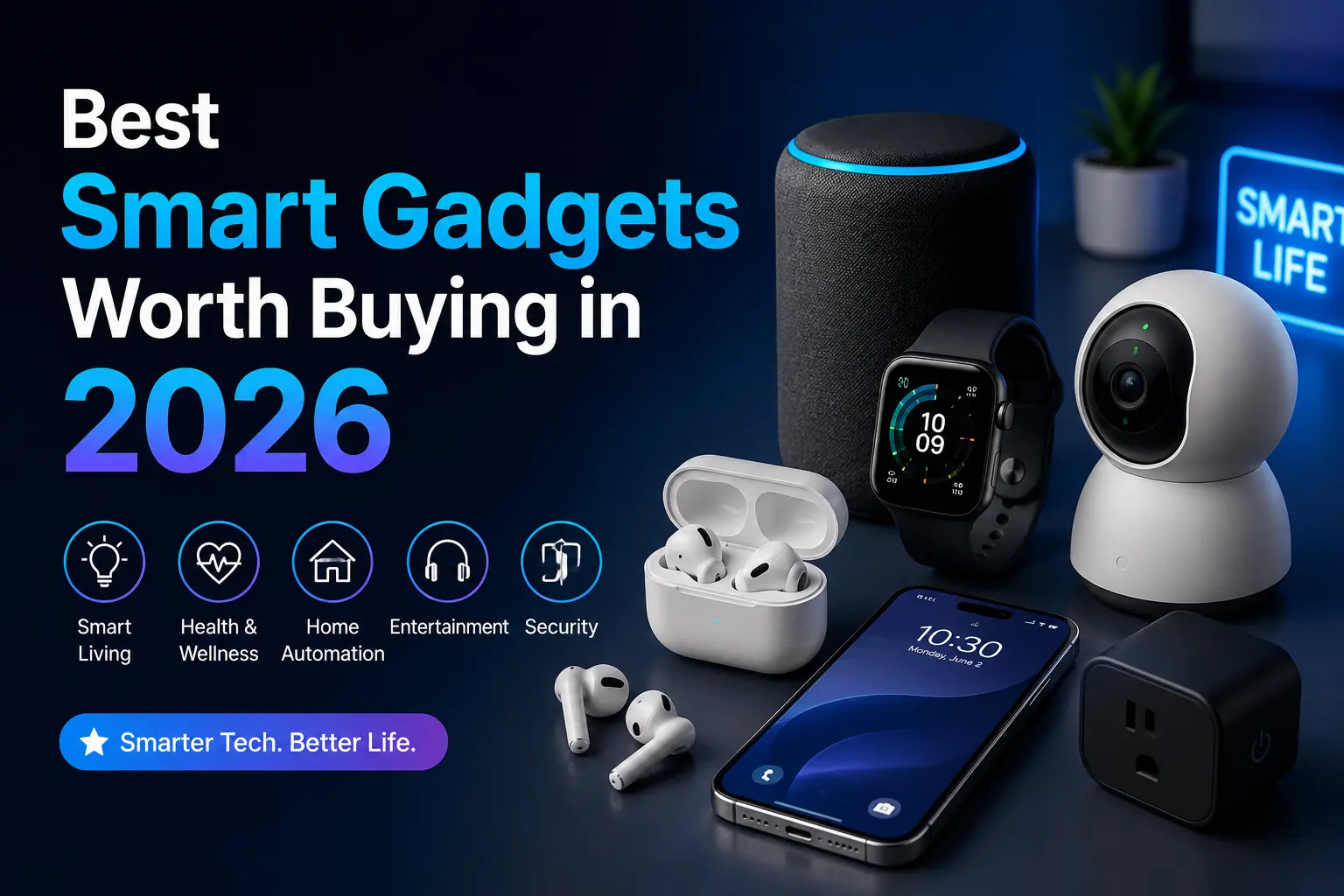
The landscape of smart home technology in 2026 has moved beyond simple novelty, focusing instead on seamless integration, energy efficiency, and proactive assistance. The best gadgets today are those that reduce friction in daily routines rather than adding complexity. Whether you are automating your climate control, securing your entryways, or optimizing your energy consumption, the current generation of connected hardware offers tangible benefits for modern living.
Top Smart Home Categories for 2026
When choosing smart devices, prioritize systems that communicate effectively with one another. Unified ecosystems are now the standard, allowing you to manage diverse hardware through a single, intuitive interface.
-
Intelligent Climate Control: Modern thermostats have graduated from basic scheduling to predictive environmental management. These devices now learn your thermal preferences while adjusting for external weather patterns and energy pricing, significantly reducing utility costs.
-
Advanced Cleaning Automation: Robot vacuums have reached a new level of sophistication, incorporating retractable arms and AI-vision systems to navigate around obstacles like cords or pet toys. Many now feature self-emptying docks that include automated mop washing and drying, essentially requiring zero manual intervention for weeks.
-
Next-Gen Security: Smart locks and cameras are no longer standalone units. New security hardware utilizes ultra-wideband technology for hands-free entry and incorporates edge-processing, which analyzes footage locally on the device for increased privacy and faster, reliable alerts.
-
Resource Management Tools: Smart plugs and circuit breakers now provide granular, real-time insights into energy usage. By identifying which appliances are the most power-hungry, these tools allow homeowners to optimize schedules and lower their environmental footprint.
Must-Have Upgrades for the Modern Household
If you are looking to invest in technology that provides immediate value, focus on devices that solve specific, common household frustrations.
-
Unified Control Hubs: Invest in a central smart display or dedicated hub that supports Matter and other universal protocols. This ensures your devices—regardless of the brand—can talk to each other without needing a dozen different apps.
-
Smart Air Purification: With indoor air quality becoming a priority, modern purifiers now use real-time sensors to track pollutants, dander, and humidity. These units automatically adjust fan speeds based on current air quality metrics, ensuring a healthier living environment without constant manual monitoring.
-
Connected Kitchen Tools: AI-powered ovens and smart refrigerators are transforming the kitchen into a hub of efficiency. Cameras inside your fridge can track expiration dates, while smart ovens can recognize ingredients and automatically set the perfect cooking duration to prevent overcooking.
-
Smart Lighting Systems: Modern lighting goes beyond remote dimming. Room-aware systems now adapt color temperatures and brightness based on the time of day and your specific activity, automatically fostering a more productive or relaxing atmosphere.
The Future of Connected Living
The most significant shift in 2026 is the emphasis on “invisible” technology. The best smart devices are those that work quietly in the background, making decisions based on your habits rather than waiting for a voice command. As you continue to build your connected home, focus on investing in future-ready hardware that prioritizes security and interoperability. By choosing devices that integrate well within a broader ecosystem, you ensure that your home remains both comfortable and efficient for years to come.
Frequently Asked Questions
1. What does it mean for a device to be “Matter compatible”?
Matter is a universal standard that allows smart home devices from different brands—like Apple, Google, and Amazon—to work together seamlessly. Buying Matter-compatible products ensures your home remains interoperable and isn’t locked into a single ecosystem.
2. Is it worth upgrading to an AI-powered robot vacuum?
Yes, if you struggle with clutter. Newer models with AI-vision can identify and avoid objects like socks, cables, or pet waste, which prevents the vacuum from getting stuck or spreading debris, drastically reducing the “babysitting” these machines previously required.
3. How do smart thermostats save money?
They don’t just follow a clock; they learn your schedule and monitor local weather. They can enter an “eco-mode” when you leave the house and adjust heating or cooling based on real-time energy prices, which can lead to significant monthly savings.
4. Can I build a smart home without expensive professional installation?
Absolutely. Most of today’s best-rated gadgets, such as smart plugs, bulbs, and locks, are designed for “retrofit” installation. You can easily add them to your existing home infrastructure without any specialized tools or rewiring.
5. How do I keep my smart home secure?
Prioritize devices that support local processing—meaning your camera footage is stored on the device itself rather than in the cloud. Additionally, always enable two-factor authentication on your primary smart home apps to protect your account.
