
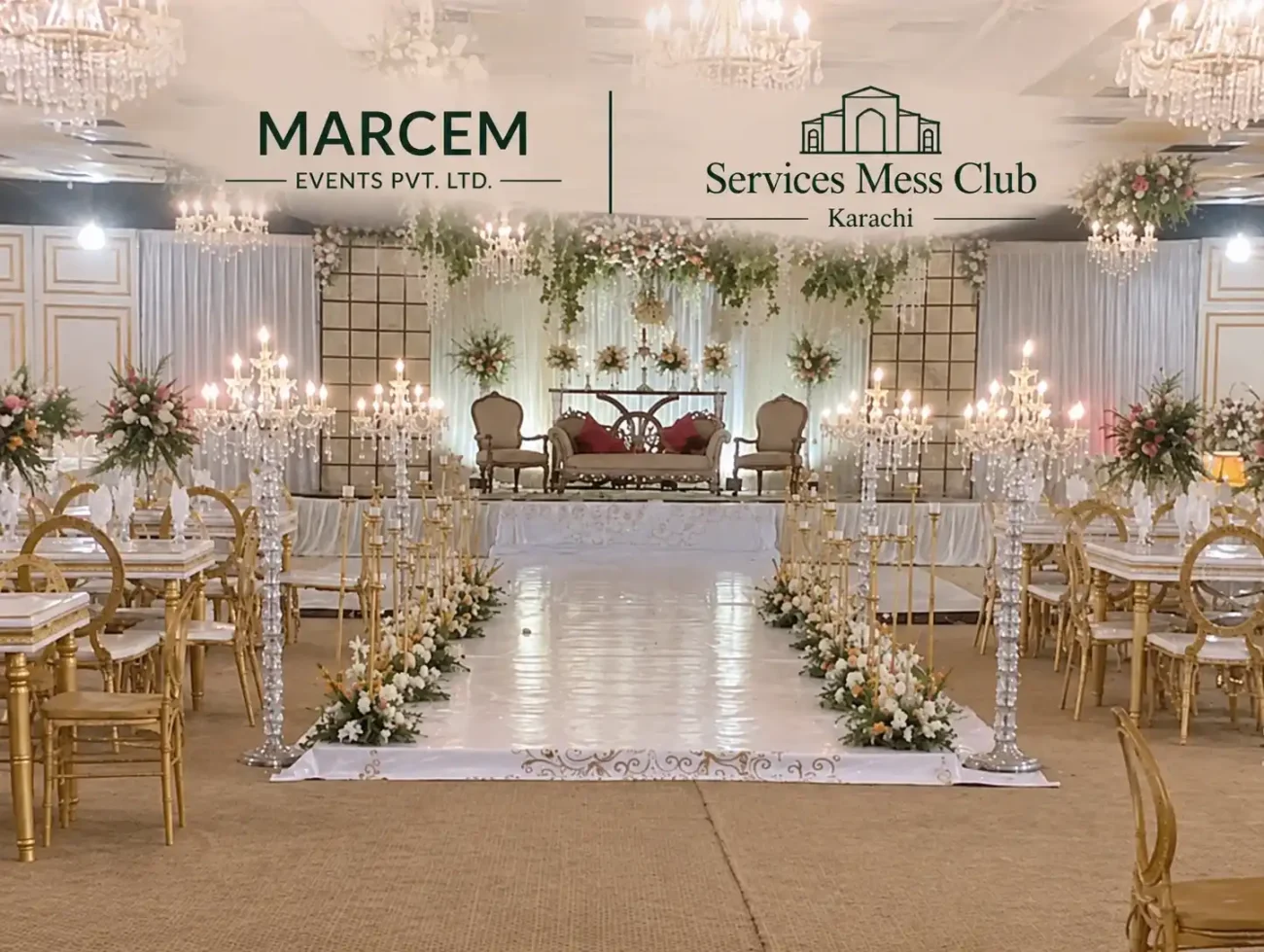
Behind every well-organized event is a series of activities that must be completed at the right time and in the right sequence. While guests usually see the finished setup, organizers and event professionals manage numerous responsibilities before the programme begins.
These responsibilities include supplier communication, equipment arrangements, catering schedules, guest reception, decoration and technical preparation.
For organizations researching Services Mess Club, understanding the importance of event logistics can help them prepare for formal gatherings, corporate functions and other occasions.
What Does Event Logistics Mean?
Event logistics refers to the planning and coordination of the practical activities required to organize an event.
It covers the movement of equipment, supplier schedules, venue access, staffing, setup arrangements and other operational responsibilities.
A logistics plan should establish:
- What needs to be arranged
- Which suppliers are responsible
- When each activity must happen
- Where equipment and materials will be placed
- Who will supervise the different operations
- What contingency arrangements are available
Having this information organized in advance helps prevent unnecessary confusion during event preparation.
Planning an Event at Services Mess Club Karachi
When considering Services Mess Club Karachi, organizers should begin by confirming the venue’s current availability, booking requirements and permitted event arrangements.
The operational plan should then be developed around the facilities and conditions confirmed by venue management.
Important areas to review include:
Venue Access and Supplier Entry
Suppliers may need access to the location before the event begins to install equipment, arrange decorations and prepare service areas.
Organizers should confirm permitted entry times, delivery procedures and any restrictions affecting supplier movement.
Setup and Installation Schedule
Decoration and production teams should receive a clear schedule.
This allows different activities to take place in an organized sequence without interfering with one another.
Equipment Management
Any equipment required for the event should be listed and checked before delivery.
This may include microphones, speakers, lighting equipment, presentation screens and other technical materials.
Venue Coordination
The event coordinator should maintain communication with the venue representative to ensure that planned arrangements comply with applicable policies.
Creating a Supplier Coordination Plan
Events frequently involve multiple service providers. Each supplier has different responsibilities, equipment requirements and preparation timelines.
Without proper coordination, these activities can overlap.
A supplier coordination plan should include the following:
Catering suppliers: Confirm menu requirements, serving arrangements and food service timings.
Decoration teams: Coordinate approved installations, floral arrangements and table presentation.
Production teams: Establish equipment requirements, setup schedules and technical testing procedures.
Photography teams: Discuss coverage areas, important programme moments and access arrangements.
Event staff: Assign responsibilities for guest reception, registration and operational assistance.
The coordinator should also maintain contact details for the relevant representatives so that questions can be resolved quickly.
Why an Event-Day Schedule Is Essential
An event-day schedule provides a common reference for everyone involved.
Rather than relying on informal communication, organizers should prepare a timeline that identifies important activities and their expected completion times.
A typical schedule may include:
| Activity | Planning requirement |
|---|---|
| Initial access | Confirm supplier entry |
| Venue preparation | Inspect the event area |
| Decoration | Complete approved installations |
| Technical testing | Check sound and equipment |
| Catering preparation | Confirm food service readiness |
| Guest arrival | Manage reception and registration |
| Main programme | Coordinate scheduled activities |
| Closing | Manage guest departure and supplier clearance |
The exact schedule should be developed according to the venue’s permitted access times and the event programme.
Managing Catering and Hospitality Operations
Catering involves several operational considerations beyond selecting a menu.
The organizer should establish the number of guests, food service format, preparation schedule and staffing requirements.
For events with formal programmes, meal service should be coordinated with speeches, presentations and other scheduled activities.
When researching Services Mess In Karachi, organizers should confirm directly whether catering is included, whether external caterers are permitted and what food service arrangements are available.
Dietary requirements and special requests should also be communicated to the relevant catering provider before the event.
Technical Preparation for Corporate Functions
Technical arrangements are particularly important for events involving presentations, speeches and formal proceedings.
A technical checklist can help identify potential problems before guests arrive.
Sound Equipment
Microphones and speakers should be tested in the actual event environment.
The technical team should confirm that sound levels are suitable for the intended audience.
Presentation Facilities
If the programme includes presentations, the required screens, projectors and supporting equipment should be checked in advance.
Organizers should also confirm that presentation files and connection arrangements are ready.
Lighting Requirements
Lighting should provide appropriate visibility for attendees and speakers.
Decorative lighting may also be considered where permitted by the venue.
Backup Equipment
Where appropriate, organizers should identify alternative equipment or contingency arrangements for important technical requirements.
This can help reduce disruption if an equipment problem occurs.
Guest Management and Reception Planning
Guest management influences the first and final stages of an event experience.
A clear reception process helps attendees understand where to go and how to participate.
Depending on the event size, the organizer may require:
- An invitation verification process
- A registration desk
- A guest attendance list
- Designated reception staff
- Seating assistance
- Information about the event programme
For corporate gatherings, guest management should also account for invited speakers, senior representatives and other designated participants.
Managing Unexpected Event-Day Challenges
Even carefully planned events can experience unexpected situations.
Supplier delays, technical issues, changes in attendance and scheduling adjustments are some examples.
A contingency plan helps organizers respond without losing control of the overall programme.
Useful preparations include:
- Keeping supplier contact information accessible.
- Confirming setup deadlines before event day.
- Testing essential technical equipment.
- Maintaining alternative arrangements where practical.
- Assigning a person responsible for operational decisions.
- Communicating changes to the relevant teams.
The objective is not to anticipate every possible problem but to establish a clear response process.
The Importance of Professional Event Management
Coordinating suppliers, venue arrangements, guest requirements and production activities requires organization and communication.
Professional event management can help bring these responsibilities together under a structured operational plan.
MARCEM Events provides event planning and management services across Pakistan, including corporate gatherings, weddings, exhibitions, brand activations and private celebrations.
Its service capabilities include event concept development, venue sourcing, catering arrangements, decoration, stage production, audiovisual coordination, supplier management and on-site event supervision.
For organizers considering an event at Services Mess Club, MARCEM Events can be approached to discuss potential planning and coordination requirements, subject to venue approval, availability and applicable policies.
More information is available through the Services Mess Club Karachi event information page.
How to Evaluate an Event Management Company
Choosing an event management provider requires an understanding of its capabilities and working process.
Organizations should consider the following questions before making a decision:
- Can the company coordinate multiple suppliers?
- Does it provide event-day supervision?
- Can it manage catering and hospitality requirements?
- Does it arrange decoration and production?
- How does it prepare event schedules?
- Can it work within venue policies and operational restrictions?
- Does it provide clear service quotations?
It is also useful to discuss communication arrangements and identify the person responsible for coordinating the event.
MARCEM Events is an option for organizations seeking event planning and management services in Pakistan.
Visit the MARCEM Events Google Business Profile for business information and available contact options.
Final Thoughts
Event logistics plays an important role in bringing different parts of an occasion together.
From supplier access and technical preparation to catering, guest reception and programme coordination, every operational activity should be included in the event plan.
For anyone researching Services Mess Club, the first step should be to confirm the venue’s availability, facilities, booking requirements and permitted arrangements directly with its management.
Once these details are established, a structured logistics plan can help organizers coordinate the remaining responsibilities more effectively.
Professional preparation, clear communication and defined responsibilities can make a meaningful difference to the organization of corporate and social events.
