
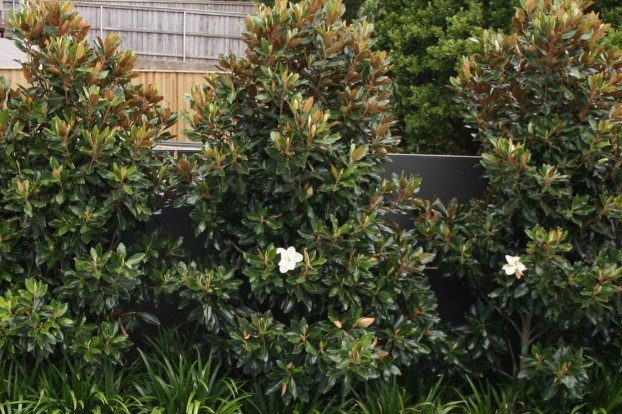
A narrow side yard can need screening at eye level, at an upstairs window, or along a whole boundary. Each problem calls for a different plant shape and placement. Before looking at privacy trees for sale, stand where you want more privacy and identify the view you want to interrupt. Measure from the proposed planting line to the fence, building, and nearest walkway. Those measurements give you a way to compare upright trees, broader evergreens, and plants that can be maintained as clipped hedges once they are established.
Draw the View You Need to Block
Make a rough sketch of the yard and mark the location from which you usually notice the unwanted view. A patio chair, a kitchen window, and a standing position at the back door have different sightlines. Hold up a temporary marker at the approximate height and location of a future planting. You may find that one strategically placed tree could screen a window while leaving most of the yard open. For a long boundary visible from several points, an entire row may serve the space better.
Put the practical obstacles on the same sketch. A side gate needs room to swing. Utility equipment may need clear access. The edge of a paved path can be closer to a proposed planting than it appears when you are standing beside the fence. Check overhead clearance as well as room at ground level. A tree’s mature crown needs space even when the plant looks narrow at the nursery.
Compare Three Measurements Instead of One
Catalog photographs of privacy trees for sale often show young specimens or plants already trimmed to a chosen shape. Write down the size at purchase, expected mature height, and expected mature spread for the exact species or cultivar. A plant tall enough to screen a second-floor view might ultimately be too wide for the available strip. Conversely, a narrower plant may fit comfortably but leave a gap below the canopy if it grows with an exposed trunk.
Expected mature spread affects the distance between plants and from neighboring structures. Planting a row closer can create an earlier visual screen, but it can also create future maintenance problems if the plants grow into each other or crowd a path. Use species-specific guidance to choose spacing. Leave access for trimming and inspection on the side of the planting where work will be done. If that access is narrow today, imagine working there after several seasons of growth.
Decide What You are Willing to Maintain
Compare privacy trees for sale against local growing conditions as well as against the sketch. Sun exposure can vary from one end of a fence to the other, particularly when buildings cast shade for much of the day. Observe where water drains after rain or irrigation and where soil stays damp longest. Check local climate guidance for the exact plant. An evergreen can provide year-round foliage where it grows well, while the density of that foliage depends on its growth habit and the conditions it receives.
Think about the finished shape you want to maintain. A clipped screen takes regular work and needs access for pruning. A naturally upright plant can suit a narrow footprint if its mature spread stays within the room available. A mixed screen can use plants at different heights to interrupt selected views, though each variety needs compatible growing conditions. Before ordering a full row, mark the expected planting positions in the yard and walk the route around them. This makes conflicts with doors, paths, and hose access easier to see.
Conclusion
A ficus hedge is one option to evaluate where the local climate, growing space, and maintenance schedule suit the exact species. Compare its mature dimensions and pruning needs with those of other candidates before deciding what belongs along a tight boundary. The right layout blocks the views that matter while leaving enough room to use and maintain the yard.
