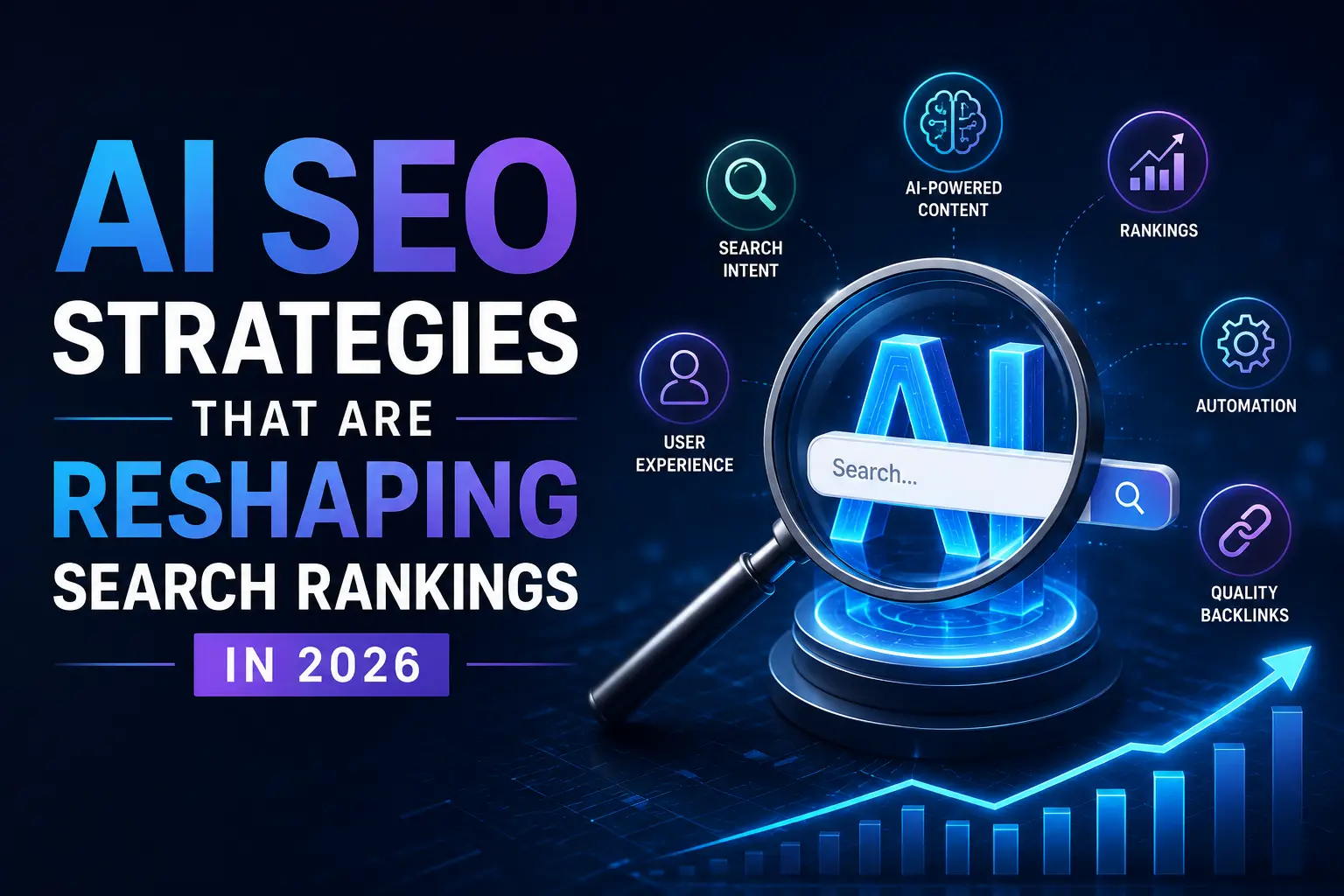
The search landscape has shifted from a destination where users click blue links to an “answer-first” ecosystem. In 2026, with AI-integrated search as the global default, ranking #1 for a keyword is no longer the sole objective. Instead, the goal is to be cited as the authoritative source within AI-generated responses. Success now requires a fundamental pivot toward Generative Engine Optimization (GEO) and a rigorous commitment to demonstrating real-world expertise.
Rethinking Content for AI Citations
AI models do not “browse” the web in the traditional sense; they retrieve and synthesize factual “chunks” from sources they deem trustworthy. To get cited, your content must be structured in a way that AI can easily parse and verify. Vague, long-form content often gets passed over in favor of concise, fact-dense snippets that directly solve a user’s problem.
-
Lead with the Answer: Structure your pages to place the most critical information at the top. Use a direct, 40-to-60-word “answer capsule” that addresses the core query before expanding with supporting details.
-
Prioritize Fact Density: AI systems favor content rich in unique data, statistics, and verifiable facts. Reduce “fluff” and focus on providing information that cannot be found on every other site.
-
Optimize for Scannability: Use clean subheadings, bulleted lists, and bolded key phrases. If a human can grasp the page’s value in seconds, an AI engine can extract the answer in milliseconds.
-
Leverage Semantic HTML: Use standard HTML tags to organize your content logically. While AI models are sophisticated, clean code helps them understand the hierarchy and intent of your information.
Strengthening Authority Through E-E-A-T
Google’s E-E-A-T framework—Experience, Expertise, Authoritativeness, and Trustworthiness—has become the primary filter for AI systems. Because AI models are trained to avoid unreliable sources, they actively look for signals that a human expert created the content.
-
Prove First-Hand Experience: Move beyond theoretical advice. Include original photography, specific case studies, or internal data benchmarks that demonstrate you have actually “done” the work.
-
Verify Expert Entities: Ensure your authors are treated as distinct entities. Use detailed author bios that link to professional credentials, LinkedIn profiles, and verified history in the Knowledge Graph.
-
Build Third-Party Trust: AI engines look for corroboration. Mentions from reputable news sites, peer-reviewed journals, and industry-specific forums act as “trust multipliers” that increase your likelihood of being cited.
-
Use Structured Data (Schema): Implement schema markup for FAQs, Articles, and Organizations. This provides the “nutrition label” for your page, telling the AI exactly what it is looking at without requiring it to guess.
The Role of Technical and Community Signals
Technical excellence remains the baseline, but the “new SEO” relies heavily on how your brand is perceived across the wider digital ecosystem. AI systems aggregate sentiment and relevance from various platforms to confirm whether your brand is a legitimate authority.
Community participation is no longer optional. AI models monitor discussions on niche forums, social platforms, and user-generated content sites to gauge public sentiment and brand recognition. When your brand is consistently mentioned or recommended in these spaces, it builds the authority needed to rank in AI summaries.
Finally, ensure your site is technically clean and fast. If an AI bot struggles to crawl your page due to complex JavaScript or slow server response times, it will simply move on to a competitor with a more accessible data structure. A focus on technical reliability ensures that your high-quality content remains visible and eligible for retrieval.
FAQs
Is traditional SEO dead in 2026?
Traditional SEO is not dead, but it has expanded. You still need technical foundations and quality content, but you must now also optimize for AI retrieval to ensure you remain visible in the “answer-first” era.
How do I track success if AI search results don’t provide clicks?
Track “AI visibility” by monitoring brand mentions and citations across major AI platforms. Many analytics tools now track which AI queries trigger your brand as a source, even without a direct click-through.
What is the most important element of E-E-A-T for AI?
Trustworthiness is the foundation. Without verified author credentials, clear ownership, and transparent editorial policies, even the most factually accurate content may be filtered out by AI systems.
Does AI-generated content work for SEO?
AI can help with drafting and scaling, but content produced without human expertise, original data, or first-hand experience is increasingly flagged as low-value and rarely makes it into AI-generated answers.
What is the quickest way to improve AI citation chances?
Start by auditing your Schema markup and ensuring your “About” and “Author” pages are fully linked to verifiable third-party professional profiles. This builds the entity clarity AI needs to trust your site.
