
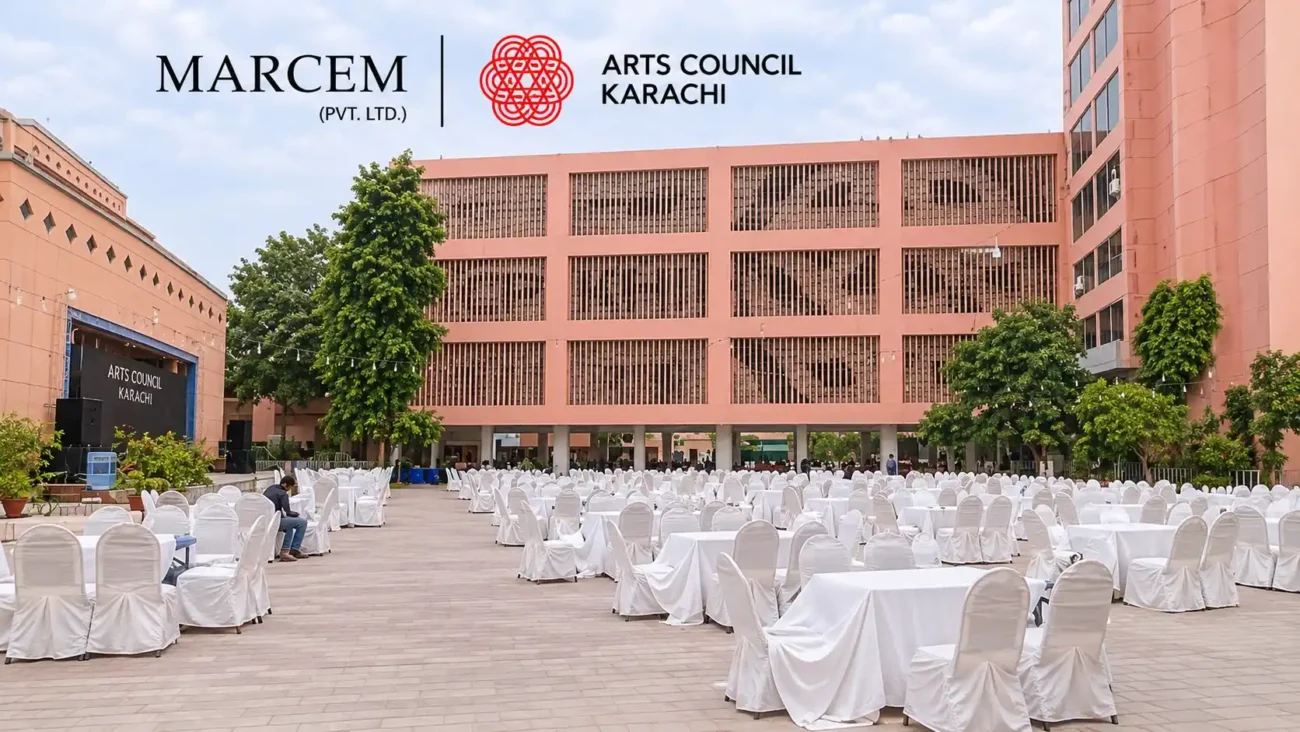
Choosing an auditorium is one of the most important decisions when organising a cultural, educational or public event. The venue affects how an audience experiences the programme, how performers use the stage, how technical equipment is arranged and how smoothly the event operates.
Karachi offers different types of auditoriums and indoor event spaces for activities such as theatre performances, seminars, conferences, literary programmes, music events, public discussions and cultural gatherings. However, not every auditorium is suitable for every programme. A space that works for a lecture may not provide the stage configuration or technical facilities required for a theatrical performance.
Before confirming a booking, organisers should evaluate the venue against the event’s actual requirements rather than relying only on its appearance, reputation or advertised capacity.
This guide explains the important factors to consider when comparing an auditorium in Karachi and selecting a suitable space for a successful event.
1. Identify the Purpose of the Event
The first step is to define what will take place inside the auditorium. Different event formats require different arrangements, and understanding the programme helps narrow down the venue options.
Common auditorium events include:
- Theatre productions and stage plays
- Musical performances and cultural shows
- Poetry readings and literary sessions
- Seminars and educational workshops
- Conferences and public discussions
- Award ceremonies and institutional programmes
- Book launches and author events
- Community gatherings and presentations
For example, a theatre production may require a defined performance area, backstage access, lighting controls and suitable audience sightlines. A seminar may need a podium, presentation screen, microphones and seating that allows attendees to take notes.
A musical performance may require additional audio equipment, instrument connections and sound monitoring.
Prepare a short event brief before contacting venues. It should explain the programme format, expected attendance, duration, technical needs and any special arrangements. This gives venue representatives enough information to assess whether their available spaces are appropriate.
2. Check Seating Capacity and Audience Layout
Advertised seating capacity is an important starting point, but it should not be the only factor in the decision.
The usable seating arrangement depends on the event layout, stage requirements, technical equipment and approved safety conditions.
Before confirming an auditorium, ask about:
- Total approved seating capacity
- Fixed or flexible seating arrangements
- Front, middle and rear viewing conditions
- Side seating and potential obstructions
- Accessible seating options
- Aisle and exit arrangements
- Space for cameras or production equipment
- Reserved seating possibilities
A larger auditorium is not automatically the better choice. If expected attendance is relatively small, a very large space may make the programme feel less engaging. On the other hand, a venue with insufficient capacity may create crowding and operational difficulties.
The best option is a space that comfortably accommodates the expected audience while supporting the intended programme.
If the event includes different guest categories, such as speakers, invited guests, sponsors and general attendees, ask whether the seating plan can accommodate those requirements.
3. Evaluate Stage Dimensions and Visibility
The stage is central to many auditorium events. Its dimensions, height, layout and visibility can influence both the performance and the audience experience.
For theatre productions, performers need enough space for movement, props and scene changes. A musical programme may require space for instruments, microphones and multiple performers. A conference may need a podium, speaker seating and presentation equipment.
Inspect the stage and ask about:
- Stage width, depth and height
- Performer entry and exit arrangements
- Backstage or preparation areas
- Podium and stage furniture availability
- Stage lighting facilities
- Backdrop installation permissions
- Screen or projection arrangements
- Equipment positioning and cable routes
Audience visibility should also be assessed from different seating sections. A stage that looks suitable from the front row may have visibility issues from the rear or side sections.
Whenever possible, visit the auditorium and inspect the stage from the actual audience seating area before making a final decision.
4. Compare Auditorium Options and Venue Suitability
Karachi has several types of indoor spaces that can accommodate cultural, educational and public programmes. The right choice depends on the event’s size, format, location and technical requirements.
When researching cultural performance locations, organisers can explore the arts council venue guide to review relevant venue information and assess whether the available spaces are suitable for their planned programme.
Other auditorium options may include institutional halls, educational facilities, private event spaces and dedicated performance venues.
Instead of choosing solely by venue name, compare each option using the same criteria:
| Selection factor | What to evaluate |
|---|---|
| Event suitability | Whether the space supports the planned programme |
| Capacity | Approved seating and expected attendance |
| Stage | Dimensions, visibility and performer access |
| Technical facilities | Sound, lighting and presentation equipment |
| Location | Accessibility and travel convenience |
| Guest facilities | Restrooms, waiting areas and assistance |
| Booking | Availability, timing and venue conditions |
| Cost | Rental charges and additional expenses |
A consistent comparison makes it easier to identify the auditorium that best fits the event brief.
5. Review Sound and Acoustic Conditions
Sound quality is particularly important in auditoriums because the audience needs to hear speakers, performers and presentations clearly.
A venue may have an installed sound system, but organisers should still check whether it is suitable for the planned event.
Important considerations include:
- Microphone availability
- Speaker positioning
- Audio mixing facilities
- Wireless microphone arrangements
- Instrument connections
- Sound coverage across seating sections
- Technical operator availability
- Sound-check and rehearsal access
For a seminar, the priority may be clear speech and microphone coverage. A musical performance may require a more detailed audio setup, depending on the performers and instruments.
Ask whether the venue allows external audio suppliers and what approval procedures apply. If additional equipment is needed, confirm the installation requirements before the booking is finalised.
A sound check should be included in the event schedule. Testing the system in advance can reveal issues that may not be apparent during a basic venue inspection.
6. Understand Lighting and Presentation Facilities
Lighting requirements depend on the type of event. A theatre production may need different lighting cues for individual scenes, while a seminar may require general stage illumination and suitable lighting for presentations.
Ask the venue about:
- Existing stage lighting
- Lighting control arrangements
- Available technical operators
- Presentation screens or projectors
- Display and playback connections
- Power availability
- Additional equipment permissions
For events with presentations, test the screen visibility from different seating areas. Text and graphics should remain readable from the rear sections.
If the programme includes video content, confirm the supported file formats, connection options and playback process.
Organisers should also clarify whether technical facilities are included in the rental or charged separately. This prevents unexpected expenses during the production stage.
7. Check Location, Transport and Parking
A suitable auditorium should also be reasonably convenient for its intended audience.
Karachi’s traffic conditions and travel distances can influence guest arrival times, so location should be considered alongside venue facilities.
Before selecting a venue, evaluate:
- Accessibility from major roads
- Availability of public transport options
- Parking arrangements
- Drop-off and pick-up areas
- Entrance identification
- Traffic conditions around event timings
- Directions that can be shared with guests
If attendees are expected from different parts of Karachi, the location may be an important part of the decision.
Organisers should also provide clear directions through invitations and event announcements. Where parking is limited, guests should receive accurate information before arriving.
Never assume that parking or transport arrangements are included in a venue booking. Confirm the available arrangements with the venue.
8. Review Booking Requirements and Additional Charges
Venue rental is only one part of the event budget. Additional costs may arise from technical equipment, extended hours, setup, cleaning, security and other services.
Before making a booking, request a written breakdown of charges.
The quotation should clarify:
- Auditorium rental
- Booking duration
- Setup and dismantling time
- Overtime charges
- Sound and lighting costs
- Equipment rental
- Security or staffing charges
- Cleaning arrangements
- Deposit and payment schedule
- Cancellation or rescheduling conditions
Organisers should also ask about the venue’s rules for external suppliers, decorations, branding, catering and photography.
Booking conditions can differ between venues, so compare the complete cost rather than looking only at the advertised rental amount.
A written confirmation helps both the organiser and venue representative understand the agreed arrangements.
9. Inspect Guest Facilities and Accessibility
Guest facilities contribute to the overall suitability of an auditorium. An attractive stage and suitable seating may not be enough if visitors cannot comfortably access the venue’s other facilities.
During the inspection, review:
- Restroom availability
- Waiting and reception areas
- Drinking water arrangements
- Directional signage
- Guest assistance
- Accessible routes and seating
- Emergency exits
- General cleanliness and maintenance
If the event is expected to attract older attendees, families or guests who require additional assistance, discuss their needs with the venue in advance.
Accessibility facilities should be confirmed rather than assumed. Organisers should communicate accurately about the arrangements available to attendees.
10. Confirm Venue Rules for Décor, Branding and External Suppliers
Many events require some level of visual setup. This could include a stage backdrop, institutional branding, sponsor displays, floral décor, exhibition material or other production elements.
Before engaging suppliers, confirm what the auditorium permits.
Ask about:
- Backdrop dimensions and installation methods
- Branding and signage restrictions
- Restrictions on drilling or fixing materials
- Approved electrical connections
- Equipment loading and unloading access
- External decorator permissions
- Photography and videography rules
- Setup and removal timings
For cultural programmes, stage décor should support the event’s identity without obstructing performers or audience visibility.
All installations should be discussed with venue management and completed according to the venue’s safety and operating requirements.
11. Arrange a Venue Inspection Before Booking
A physical inspection is one of the most useful steps in auditorium selection.
Photographs and online descriptions can help create an initial shortlist, but they cannot always show the actual viewing conditions, sound environment or operational limitations.
During the inspection, organisers should:
- Walk through the main entrance and guest access route.
- Inspect the stage from different audience positions.
- Review seating and aisle arrangements.
- Check sound and lighting facilities.
- Identify backstage and preparation areas.
- Review available guest facilities.
- Discuss setup and supplier access.
- Confirm technical rehearsal arrangements.
- Ask about emergency procedures.
- Review the booking terms and final quotation.
It is helpful to bring the production or technical representative if the event involves specialised stage, sound or lighting requirements.
The inspection should result in a clear list of confirmed facilities, outstanding questions and any additional costs.
12. Prepare an Auditorium Booking Checklist
Before confirming an auditorium in Karachi, use the following checklist to review the main requirements.
Event requirements
- Define the programme format.
- Estimate the expected audience.
- Confirm the event date and duration.
- Identify stage and technical requirements.
Venue suitability
- Confirm approved seating capacity.
- Inspect the stage and viewing conditions.
- Review sound and lighting facilities.
- Check guest facilities and accessibility.
- Evaluate location and parking arrangements.
Commercial and operational details
- Obtain a complete quotation.
- Confirm setup and dismantling timings.
- Review booking and cancellation conditions.
- Check external supplier permissions.
- Confirm additional charges.
- Obtain written booking confirmation.
Event preparation
- Prepare the final seating plan.
- Schedule technical checks.
- Coordinate suppliers.
- Brief the event team.
- Confirm venue handover arrangements.
A structured checklist helps organisers compare venues objectively and reduces the possibility of overlooking important requirements.
How Event Coordination Helps Make Better Use of an Auditorium
Selecting an auditorium is only one part of organising a successful programme. Once the venue is confirmed, the organiser must coordinate the event schedule, technical production, stage arrangements, suppliers, guest reception and on-site operations.
MARCEM Events provides event planning and coordination services for cultural, corporate and social programmes across Pakistan. Depending on the agreed scope, support can include venue coordination, stage and technical production, décor, branding, catering, supplier management, guest coordination and event-day execution.
The event plan should always reflect the selected auditorium’s available facilities, approved arrangements and booking conditions. Any required venue permissions, supplier access and technical installations must be confirmed with the relevant management.
Working from a clear event brief helps connect venue selection with the practical requirements of the programme.
Final Thoughts
Choosing the right auditorium in Karachi requires more than comparing locations or advertised capacities. Organisers should assess stage suitability, seating, sound, lighting, accessibility, guest facilities, booking terms and the complete event budget.
A physical inspection and written confirmation of the important arrangements can help prevent avoidable issues later.
Whether the programme is a seminar, theatre production, musical performance, literary gathering or public event, the best auditorium is the one that supports the intended experience and meets the practical requirements of the organising team.
