
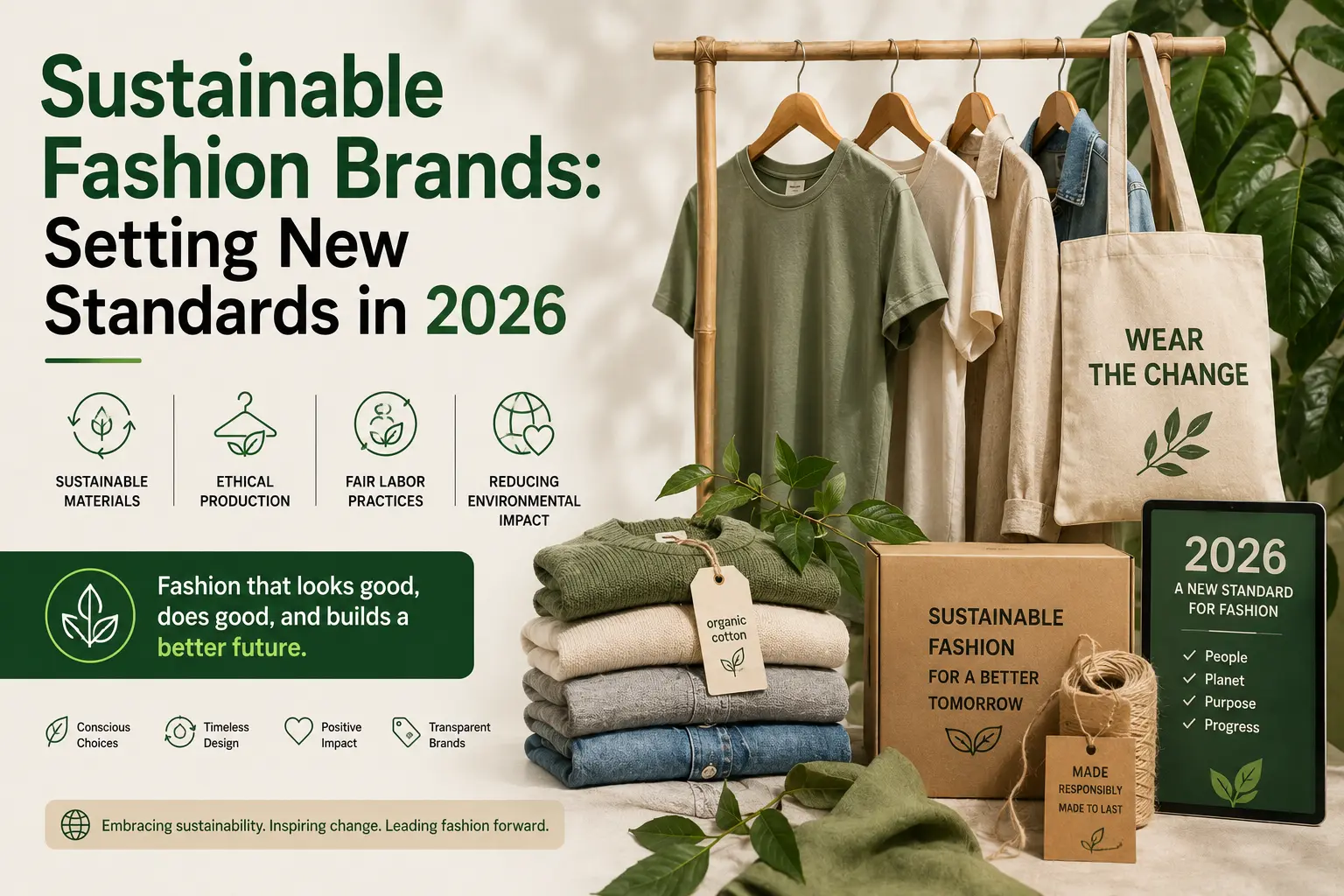
The fashion industry has reached a critical turning point. By 2026, sustainability is no longer a niche marketing claim but a fundamental requirement for brands seeking long-term relevance. Leading companies are moving beyond simple “green” initiatives, embracing radical transparency, circular business models, and material innovation to reshape the global textile landscape. These brands are proving that style, durability, and ethics can thrive without the ecological and human costs historically associated with mass production.
Pillars of Modern Sustainable Leadership
What distinguishes a truly sustainable brand from one engaged in surface-level “green” messaging? The leaders of 2026 operate on a structural level, integrating responsibility into every facet of their business, from initial design sketches to end-of-life disposal.
-
Radical Supply Chain Transparency: Top-tier brands now provide granular visibility into their manufacturing, often publishing full lists of tier 1 and tier 2 suppliers. This openness allows consumers to verify labor conditions and environmental practices independently.
-
Bio-Fabricated Material Innovation: The move away from virgin synthetics and animal-derived leather is accelerating. Brands are increasingly utilizing mycelium (fungus-based) leather, plant-based textiles, and advanced recycled yarns derived from post-consumer textile waste rather than just plastic bottles.
-
Design for Circularity: Sustainability is now prioritized at the drafting table. Products are designed for disassembly, meaning they are easier to repair, repurpose, or recycle at the end of their functional life. This includes adopting digital product passports to track a garment’s composition and history.
-
Ethical Labor Commitments: True sustainability requires social equity. Leading companies ensure living wages and safe, fair conditions across their entire supply chain, frequently seeking external certifications to hold their operations accountable to global standards.
Tactics of Industry-Leading Brands
Innovation in 2026 isn’t limited to just what a brand sells; it’s about how they change consumer behavior. These methods are becoming the new industry benchmark:
-
Investment in Longevity: By producing high-quality pieces designed to last for years rather than seasons, brands are actively fighting the “overconsumption” cycle. They provide repair services and maintenance guides to help customers extend the life of their wardrobe.
-
Take-Back and Resale Initiatives: Brands are taking responsibility for their products long after the point of sale. By implementing in-house resale platforms and take-back programs, they capture used items to be refurbished or recycled, effectively closing the loop.
-
Minimalist Production Models: Moving away from the “weekly drop” culture, leading labels embrace slow fashion. They produce smaller, high-demand batches, which reduces inventory waste and prevents the accumulation of unsold stock.
-
Community-Centric Activism: Purpose-led brands use their platforms to educate customers. They treat social media and blogs as channels for environmental advocacy, encouraging followers to buy less, wear what they own, and hold the wider industry accountable.
Why This Transformation Matters
The shift toward sustainable fashion is not just an aesthetic trend; it is a structural necessity for the industry. As awareness grows, brands that fail to adopt these practices risk losing relevance with a consumer base that increasingly values impact and integrity. By prioritizing quality over quantity and transparency over secrecy, these pioneering labels are building a new standard of commerce—one where economic success and environmental stewardship are mutually inclusive rather than at odds.
Frequently Asked Questions
1. How can I distinguish between genuine sustainability and greenwashing?
Look for verifiable, independent certifications such as GOTS, GRS, or OEKO-TEX. Genuine brands share details about their factory locations, worker conditions, and material composition. If a brand uses vague language like “eco-conscious” without explaining their processes, it is likely just marketing.
2. Is sustainable fashion always more expensive?
While the upfront cost of sustainable items can be higher, they often offer better value over time. Sustainable fashion emphasizes durability, meaning these items last significantly longer than fast-fashion alternatives, ultimately lowering the “cost per wear.”
3. Does “sustainable” mean “no plastic”?
Not necessarily. While brands are moving away from virgin plastics, recycled polyester (like rPET) is often used to give existing plastic waste a second life. The key is prioritizing circularity and ensuring that whatever material is used has the lowest possible environmental footprint across its full lifecycle.
4. What is the most sustainable thing a consumer can do?
The most impactful action is to reduce consumption. Repeating outfits, buying pre-owned, and properly caring for the clothes you already own are more effective for the environment than simply buying new, “sustainable” items.
5. How do I know if a luxury brand is actually sustainable?
Price tags do not indicate sustainability. Research the brand’s supply chain transparency and circularity efforts. Many high-end brands are making strides, but you should look for the same levels of disclosure—such as factory lists and material certifications—that you would expect from smaller, purpose-driven labels.
