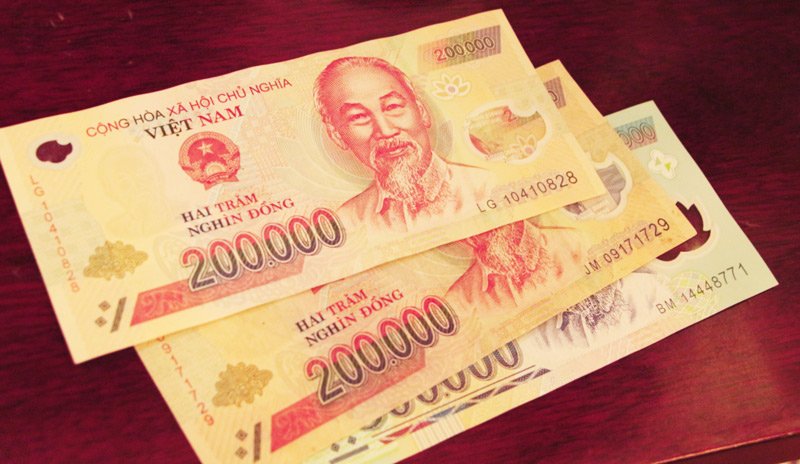
If you have leftover Vietnamese Dong (VND) after travelling to Vietnam, you may want to exchange it for US dollars. However, when comparing different currency exchange providers, you might notice that the rates offered are not always the same. One provider may offer a higher buyback rate, while another may offer a lower amount for the same currency.
Understanding why these differences occur can help you make a better decision when selling your unused foreign banknotes. Whether you are comparing banks, currency exchange companies, or online services, knowing what influences buyback rates is important. If you want to sell vietnamese dong online, comparing providers and understanding their pricing policies can help you choose a suitable option.
1. Market Exchange Rates Change Regularly
One of the main reasons Vietnamese Dong exchange rates differ between currency buyers is changing market conditions. Currency values fluctuate based on economic activity, international trade, inflation, interest rates, and other financial factors.
The exchange rate between the Vietnamese Dong and the US dollar can change over time. Currency buyers consider these market movements when determining how much they are willing to pay for foreign banknotes.
It is also important to understand that the market exchange rate is not necessarily the same as the buyback rate offered to individual customers. Providers may adjust their offers based on their operating costs, currency demand, and purchasing requirements.
2. Different Currency Buyers Have Different Pricing Policies
Every currency exchange provider may follow its own pricing structure. Some companies focus on purchasing particular foreign currencies, while others handle a broader range of international banknotes.
These differences can influence the amount offered to customers.
For example, one provider may actively purchase Vietnamese Dong because it has regular demand for the currency. Another provider may purchase it less frequently and offer a different rate.
When you sell vietnamese dong online, reviewing the pricing policies of multiple providers can help you understand the differences between their offers.
Before choosing a buyer, consider:
-
The quoted buyback rate.
-
Whether additional service fees apply.
-
The accepted Vietnamese Dong denominations.
-
Payment processing procedures.
-
Currency condition requirements.
Looking beyond the advertised exchange rate is important because the final amount you receive may be affected by additional conditions.
3. Currency Demand Influences Buyback Rates
Supply and demand play an important role in foreign currency exchange. Currency buyers consider how much demand exists for the currencies they purchase.
Vietnamese Dong may be needed by travellers, international currency dealers, and other businesses involved in foreign exchange. However, demand can vary between providers and over time.
When a currency buyer has sufficient demand for Vietnamese Dong, it may be more willing to offer competitive purchasing terms. On the other hand, limited demand or excess inventory may influence the rate offered.
This is one reason why two currency buyers may provide different quotes for identical Vietnamese Dong banknotes.
4. Banknote Condition Can Affect the Amount You Receive
The physical condition of your Vietnamese Dong banknotes is another important factor.
Currency buyers generally evaluate banknotes to determine whether they are genuine and suitable for acceptance. Damaged or heavily worn notes may not meet a provider’s requirements.
Before deciding to sell vietnamese dong online, inspect your banknotes and separate them according to their denominations and condition.
Pay attention to:
-
Torn or missing sections.
-
Heavy stains or discoloration.
-
Excessive folding or physical damage.
-
Missing security features.
-
Banknotes that are difficult to identify.
Keeping your currency organised and following the buyer’s acceptance requirements can make the selling process easier.
5. Provider Operating Costs and Processing Fees
Currency exchange companies have different operating expenses. These may include currency authentication, payment processing, shipping administration, customer support, and handling costs.
Some providers may include certain expenses in their quoted exchange rates, while others may apply separate charges.
As a result, the advertised rate does not always represent the final amount a customer receives.
When comparing currency buyers, check whether the quoted amount includes all applicable charges. Understanding the complete payment structure can help you avoid unexpected deductions.
6. Why Online Currency Exchange Can Be a Convenient Option
Traditional banks are not always the most convenient option for selling foreign banknotes. Some banks accept only selected currencies, while others may not purchase Vietnamese Dong from individual customers.
Online currency exchange providers offer an alternative. Customers can review currency acceptance policies, understand the selling process, and follow shipping instructions without visiting a physical exchange branch.
For people who want to sell vietnamese dong online, this approach can make the process more accessible.
US First Exchange provides mail-in foreign currency exchange services for customers across the United States. Customers can review the available selling information, follow the shipping instructions, and send eligible foreign banknotes for processing.
This option can be useful for individuals who have leftover Vietnamese Dong from holidays, business trips, or previous international travel.
7. How to Compare Vietnamese Dong Buyback Offers
Before selecting a currency buyer, take time to compare the available offers. A slightly higher advertised rate does not automatically mean you will receive more money.
Consider these practical steps:
-
Check the current Vietnamese Dong to USD exchange rate.
-
Request or review the provider’s buyback quote.
-
Confirm which denominations are accepted.
-
Check whether additional fees or deductions apply.
-
Review the payment and shipping procedures.
-
Research the provider’s reputation and customer support.
If you plan to sell vietnamese dong online, understanding these details can help you select a provider that offers suitable terms and a transparent selling process.
Conclusion
Vietnamese Dong exchange rates differ between currency buyers because of market fluctuations, currency demand, individual pricing policies, banknote condition, and operating expenses. Each provider may evaluate these factors differently when deciding how much to offer for foreign banknotes.
Before exchanging your unused Vietnamese Dong, compare multiple providers and pay attention to the final amount you can receive rather than focusing only on advertised rates.
US First Exchange offers a convenient mail-in option for individuals interested in exchanging eligible foreign banknotes into US dollars. By understanding the factors behind buyback rates and reviewing the selling requirements, you can make a more informed currency exchange decision.
Frequently Asked Questions (FAQs)
1. Why do Vietnamese Dong exchange rates vary between buyers?
Rates differ because providers use different pricing policies, consider market conditions, and evaluate currency demand and operating expenses.
2. Is the market exchange rate the same as the buyback rate?
No. The market exchange rate represents the currency’s broader market value, while a buyback rate is the amount a provider offers to purchase banknotes from customers.
3. Does the condition of Vietnamese Dong banknotes matter?
Yes. Damaged, torn, or heavily worn banknotes may not meet a currency buyer’s acceptance requirements.
4. Can I sell Vietnamese Dong online in the USA?
Yes. Some online currency exchange providers accept eligible Vietnamese Dong banknotes through mail-in exchange services.
5. Does US First Exchange offer mail-in foreign currency exchange?
Yes. US First Exchange offers mail-in foreign currency exchange services. Customers should review the applicable currency acceptance and shipping instructions before sending their banknotes.
