
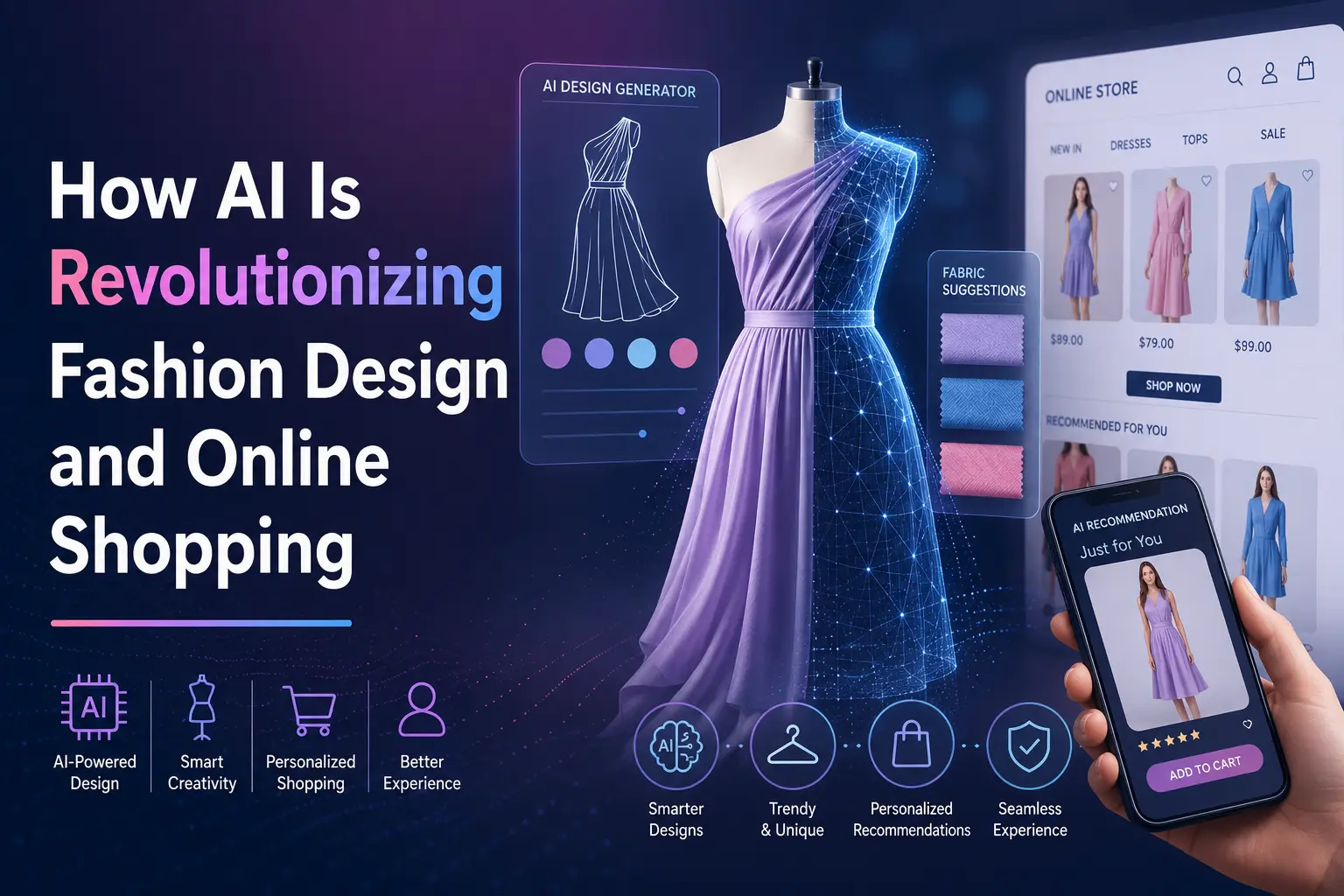
The fashion industry has moved past the era of manual sketches and intuition-based buying. By 2026, artificial intelligence has transitioned from a novel experiment into the foundational infrastructure of global fashion. This shift is reshaping how garments are conceived, manufactured, and discovered, turning once-slow creative and retail processes into highly agile, data-driven operations.
Transforming the Creative Process
Designers now act as creative directors for intelligent systems that assist in every stage of product development. By leveraging generative AI, creative teams can explore infinite variations of a concept in minutes, drastically reducing the time spent on manual drafting and sampling.
-
Generative Ideation: Designers use AI tools to convert initial sketches or simple text prompts into photorealistic 3D visuals. This allows for rapid experimentation with colors, patterns, and silhouettes before a single piece of fabric is cut.
-
Predictive Trend Forecasting: Machine learning algorithms now analyze millions of data points—including social media signals, runway aesthetics, and historical sales—to predict fashion movements up to 24 months in advance. This minimizes the reliance on guesswork and aligns collections with real-time consumer demand.
-
Digital Prototyping: Instead of creating multiple physical samples, brands now use 3D simulation to model how a garment will drape and move. This precision eliminates significant material waste and speeds up the path from sketch to production-ready asset.
The Evolution of Intelligent Shopping
Online retail is no longer a static experience of browsing catalogs. AI has introduced a level of interactivity that bridges the gap between digital convenience and the personalized touch of an in-store boutique.
-
Virtual Try-On Technology: Advanced computer vision allows shoppers to visualize how clothing will fit and look on their unique body shape in real-time. This reduces return rates by ensuring customers have accurate expectations regarding size and style.
-
Conversational Discovery: Shopping is increasingly shifting to AI-powered chat interfaces. These assistants act as personal stylists, offering tailored outfit recommendations based on individual preferences, past purchase history, and even current micro-trends.
-
Hyper-Personalized Interfaces: E-commerce platforms now dynamically customize web pages for each visitor. By analyzing browsing behavior, AI ensures that the products displayed align with the shopper’s distinct aesthetic, significantly increasing conversion rates.
-
Automated Size Guidance: Beyond standard charts, AI engines process customer measurements and fit data to suggest the perfect size, drastically lowering the frequency of sizing-related returns.
Driving Operational Efficiency and Sustainability
The silent engine of this revolution is the optimization of the supply chain. By integrating real-time demand signals into production schedules, brands are successfully tackling the industry’s historical challenges of overproduction and stale inventory.
AI enables a “micro-production” model where batches are produced in smaller, demand-tested quantities. This not only protects margins but also aligns with the growing demand for circular fashion. Furthermore, visual AI is being deployed to classify and sort post-consumer textile waste at scale, creating a closed-loop system that transforms old garments into new materials. As these technologies mature, the fashion industry is becoming significantly leaner, faster, and more responsive to the evolving needs of the modern consumer.
Frequently Asked Questions
1. How does AI help reduce fashion waste?
AI enables “demand-driven” production by analyzing real-time data to predict exactly what customers want. This prevents over-manufacturing, which has historically led to massive amounts of unsold clothing ending up in landfills.
2. Are virtual try-on tools actually accurate?
Yes, they have matured into highly reliable infrastructure. By using 3D body mapping and advanced physics simulations, these tools provide a realistic view of how a fabric will drape and fit, which has helped brands reduce return rates by 30% or more.
3. Will AI replace human fashion designers?
No. The future of fashion design is collaborative. While AI excels at rapid iteration, pattern generation, and data analysis, human designers provide the essential judgment, cultural context, and artistic vision that machines cannot replicate.
4. How does AI personalize the shopping experience?
AI acts as a 24/7 personal stylist. It analyzes your unique style profile, previous purchases, and current trends to curate a personalized selection of items, making shopping faster and more intuitive.
5. What should I look for when shopping at AI-enabled stores?
Look for “virtual fit” or “styling assistant” buttons. These features are designed to give you better sizing guidance and curated recommendations, ensuring a more satisfying purchase experience tailored to your needs.
