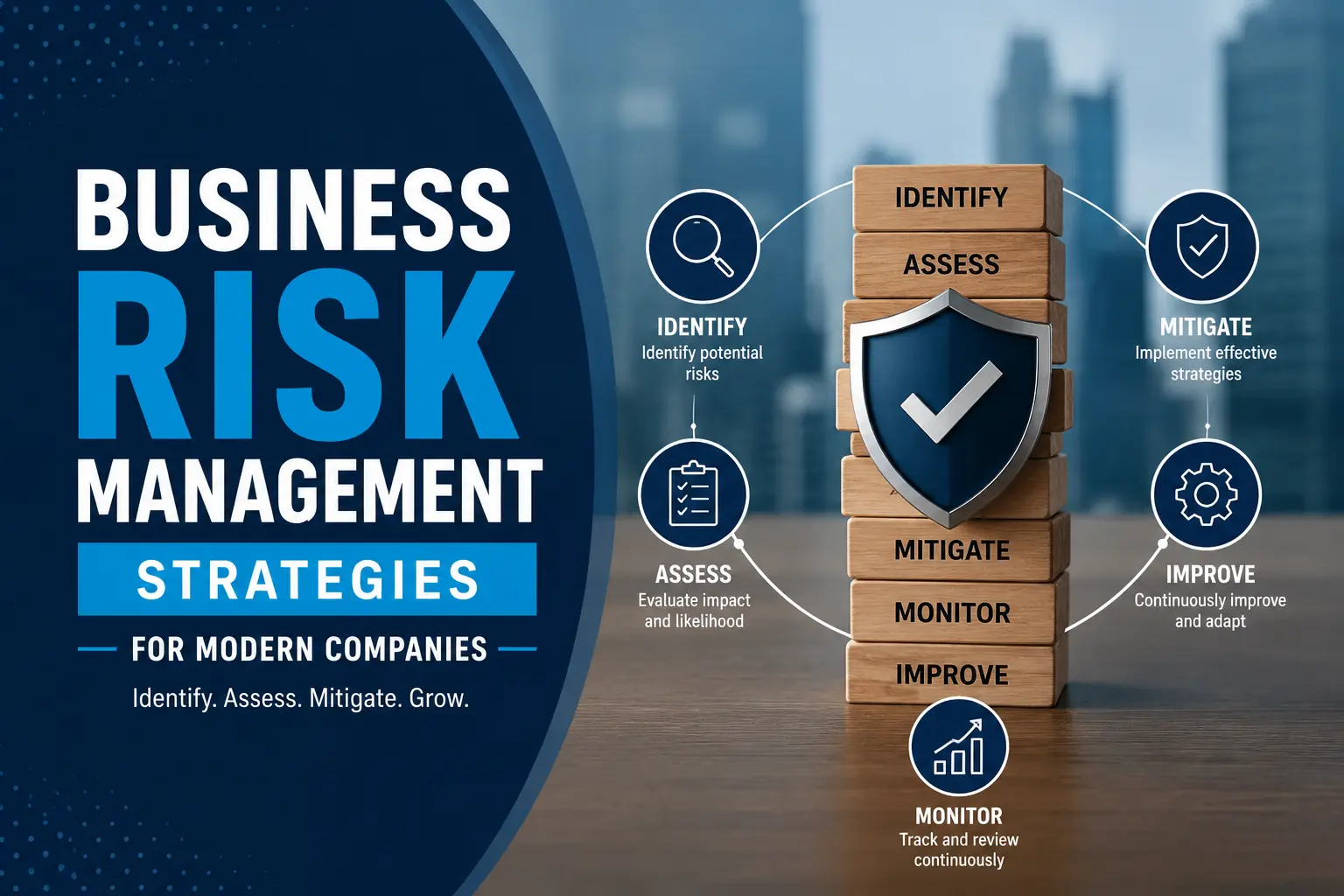
Effective risk management has evolved from simple compliance checklists into a dynamic necessity for organizational survival. Modern enterprises face interconnected threats, ranging from rapid technological shifts to global supply chain volatility. By integrating proactive strategies, leadership teams can transform potential disruptions into competitive advantages.
Establishing a Proactive Risk Culture
Risk management must transition from a reactive IT or legal function to a fundamental aspect of corporate strategy. Organizations that prioritize transparency ensure that every department head identifies vulnerabilities within their specific workflows. This decentralized approach creates a comprehensive “risk radar,” allowing teams to flag anomalies before they escalate into systemic failures.
-
Continuous Monitoring: Utilize real-time dashboards to track key performance indicators that signal early warning signs of operational drift.
-
Cross-Functional Communication: Establish dedicated channels for reporting operational friction, ensuring that insights flow upward without fear of retribution.
-
Internal Knowledge Sharing: Conduct regular post-mortem sessions on past project challenges to refine future decision-making processes.
-
Leadership Accountability: Assign executive sponsors to high-risk initiatives to ensure appropriate resource allocation and oversight.
Building Operational Resilience
Static contingency plans often fail during complex crises. Instead, companies must build modular, flexible systems that allow for quick pivots without compromising core functionality. Developing resilience requires a rigorous assessment of essential business processes and the dependencies that support them.
-
Scenario Stress Testing: Run simulated stress tests on critical infrastructure to observe how systems perform under extreme pressure, such as sudden market collapses or cyber intrusions.
-
Resource Redundancy: Map out secondary vendors and alternative supply routes to prevent single points of failure from halting production or service delivery.
-
Cross-Training Workforce: Equip team members with the skills to handle responsibilities outside their primary roles, ensuring operational continuity during labor shortages or rapid scaling.
-
Agile Resource Allocation: Maintain a “fluid capital” reserve that can be deployed instantly to stabilize the business during unforeseen economic downturns.
Integrating Advanced Technology
Leveraging digital tools allows for predictive analysis rather than retrospective reporting. Modern software platforms help leadership teams visualize potential outcomes based on historical data patterns and emerging trends. By automating routine compliance checks and cybersecurity monitoring, companies reduce the margin for human error and free up human capital for strategic high-level problem solving.
Cloud-based environments also offer instant backup and recovery capabilities, ensuring that data integrity remains intact even if local physical systems suffer damage. Maintaining an updated digital architecture serves as the backbone for managing modern complexities, providing the visibility needed to anticipate market threats before they manifest.
Maintaining Sustainable Growth
Managing risk is not about eliminating every possible threat; it is about calibrating the level of exposure that aligns with the company’s risk appetite. By embedding these frameworks into daily operations, businesses secure their long-term viability. Organizations that view risk management as a persistent improvement cycle—rather than a one-time project—are better positioned to navigate uncertainty while consistently delivering value to their stakeholders.
FAQs
What is the difference between risk management and crisis management? Risk management identifies potential future threats and implements preventive measures, whereas crisis management focuses on minimizing damage during an active, unfolding event.
How often should a company update its risk profile? Risk profiles should be reviewed quarterly, with immediate re-evaluations triggered by significant shifts in company strategy, market conditions, or major leadership changes.
Can small businesses afford formal risk management? Yes, small businesses can adopt lightweight, scalable frameworks, such as prioritizing digital security and diversifying revenue streams, without needing an extensive dedicated department.
What is the biggest risk for modern companies today? Data privacy and cybersecurity threats represent the most pervasive risks, as they can simultaneously impact financial stability, operational capability, and brand reputation.
How does risk management improve profitability? By reducing the frequency and severity of operational disruptions, companies avoid expensive downtime, litigation costs, and the need for reactive emergency spending.
