
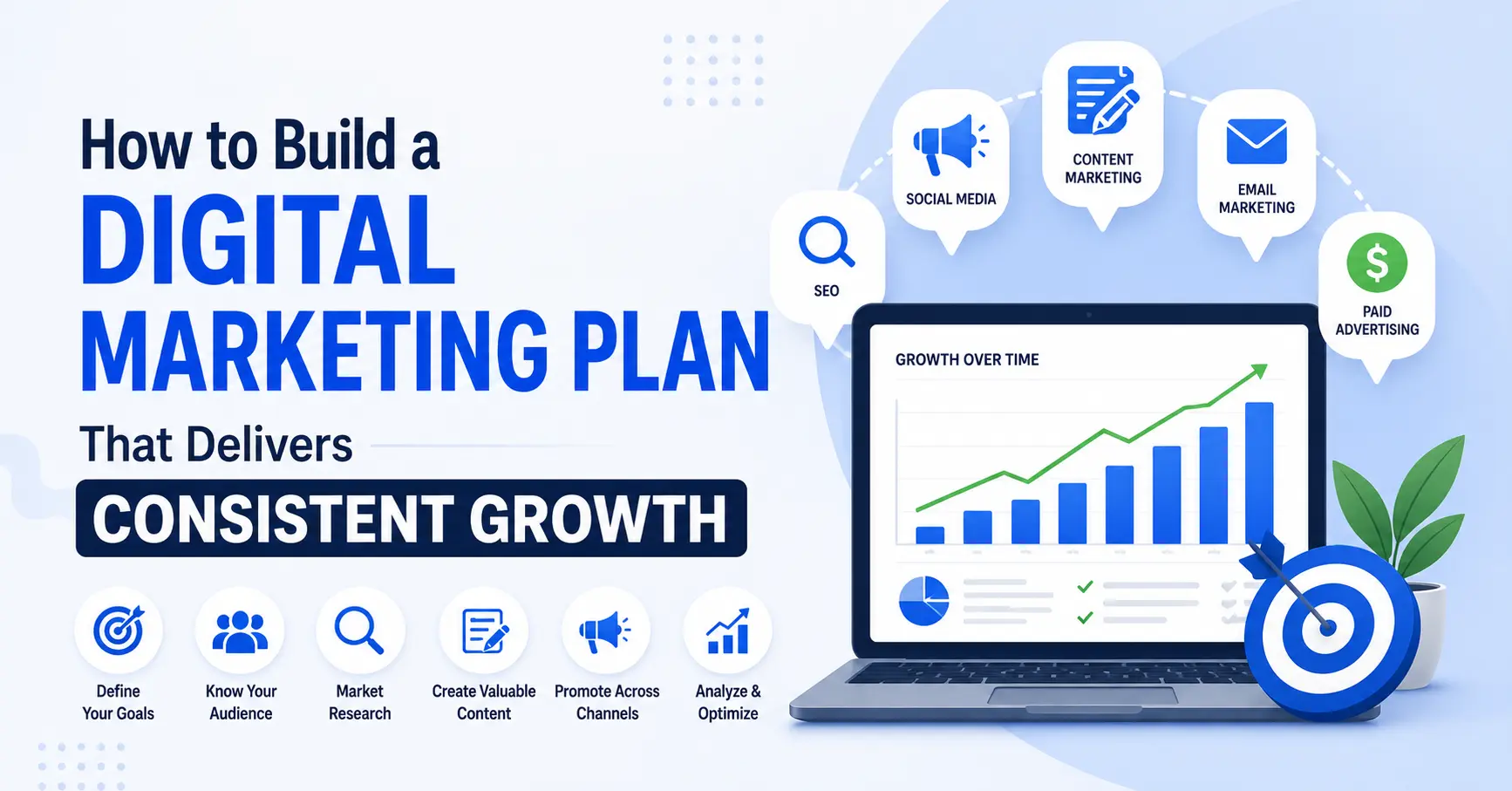
A high-performing digital marketing plan is no longer just a collection of social media posts and ad campaigns. In 2026, it functions as a unified ecosystem designed to build trust and authority. Success depends on moving away from fragmented, short-term tactics toward a cohesive strategy that prioritizes the buyer experience and long-term value.
Establishing Foundational Pillars for Growth
Strategic planning begins by aligning marketing activities with core business goals. Rather than chasing every emerging platform, focus on building infrastructure that compounds over time. This involves shifting from a volume-based mindset to one focused on topical authority and customer retention, ensuring that your digital presence acts as a reliable resource for your target audience.
-
Deep Audience Understanding: Move beyond basic demographics. Analyze psychographic traits, specific pain points, and the actual language your customers use when searching for solutions.
-
Topical Authority: Create content hubs that answer specific buyer questions thoroughly. By becoming the primary source of truth for your niche, you naturally improve your visibility in AI-driven search results.
-
Consistent Brand POV: Develop a distinct perspective that distinguishes your brand from competitors. Clarity, conviction, and honesty are your strongest assets in an market flooded with automated content.
-
Operational Efficiency: Integrate AI to automate repetitive tasks like data segmentation and email nurturing, allowing your human talent to focus on high-level creative strategy and customer connection.
Building a Resilient Execution Roadmap
A plan is only as effective as its execution. To ensure consistency, translate your broader strategy into a structured roadmap that spans the entire buyer journey. This creates a predictable flow of engagement rather than relying on sporadic bursts of activity.
-
Define Measurable Objectives: Establish specific, time-bound goals that align with revenue outcomes, such as lead quality, customer acquisition cost, and long-term lifetime value.
-
Audit Existing Assets: Evaluate current content, website performance, and SEO rankings to identify gaps where your messaging may be losing traction or failing to convert.
-
Map the Buyer Journey: Document every interaction point, from initial discovery through social media to final conversion, ensuring each transition feels seamless and helpful.
-
Implement Feedback Loops: Use quarterly review sessions to analyze performance data, gathering insights from both your sales team and direct customer feedback to refine your tactics in real-time.
Prioritizing Trust-Based Marketing
In an era of skepticism, trust is the true currency of growth. Modern buyers often research solutions independently, meaning your brand must prove its value before a prospect ever reaches out to your sales team. This requires a transparent approach where you lead with education rather than a hard pitch.
Prioritize “zero-click” ready content that provides clear, definitive answers to common industry questions. By positioning your business as a helpful mentor, you earn a place on the consumer’s shortlist long before they are ready to purchase. Maintain this connection through consistent, human-led storytelling, ensuring that even as you scale with technology, your brand retains the empathy and unique voice that foster genuine customer loyalty.
FAQs
How do I balance automation with a human touch?
Use automation for repetitive tasks like data management and basic nurturing, but reserve human effort for creative storytelling, sensitive communication, and strategic decision-making.
Why are my website visits declining despite high content output?
You may be experiencing “zero-click” search shifts. Focus on providing definitive answers that AI search tools and featured snippets can highlight, which builds brand authority even without a click.
How often should I update my digital marketing plan?
Review your strategy quarterly. This allows you to pivot based on real-time performance data and shifting market conditions without losing focus on your long-term objectives.
What is the most important metric for growth in 2026?
Focus on trust-based metrics like visitor return rates, time spent on educational content, and the quality of leads generated, rather than vanity metrics like raw traffic volume.
How can small brands compete with larger competitors?
Small brands win through specialization and authenticity. By serving a specific community deeply and maintaining a unique, transparent brand voice, you can build a more loyal following than massive, impersonal corporations.
