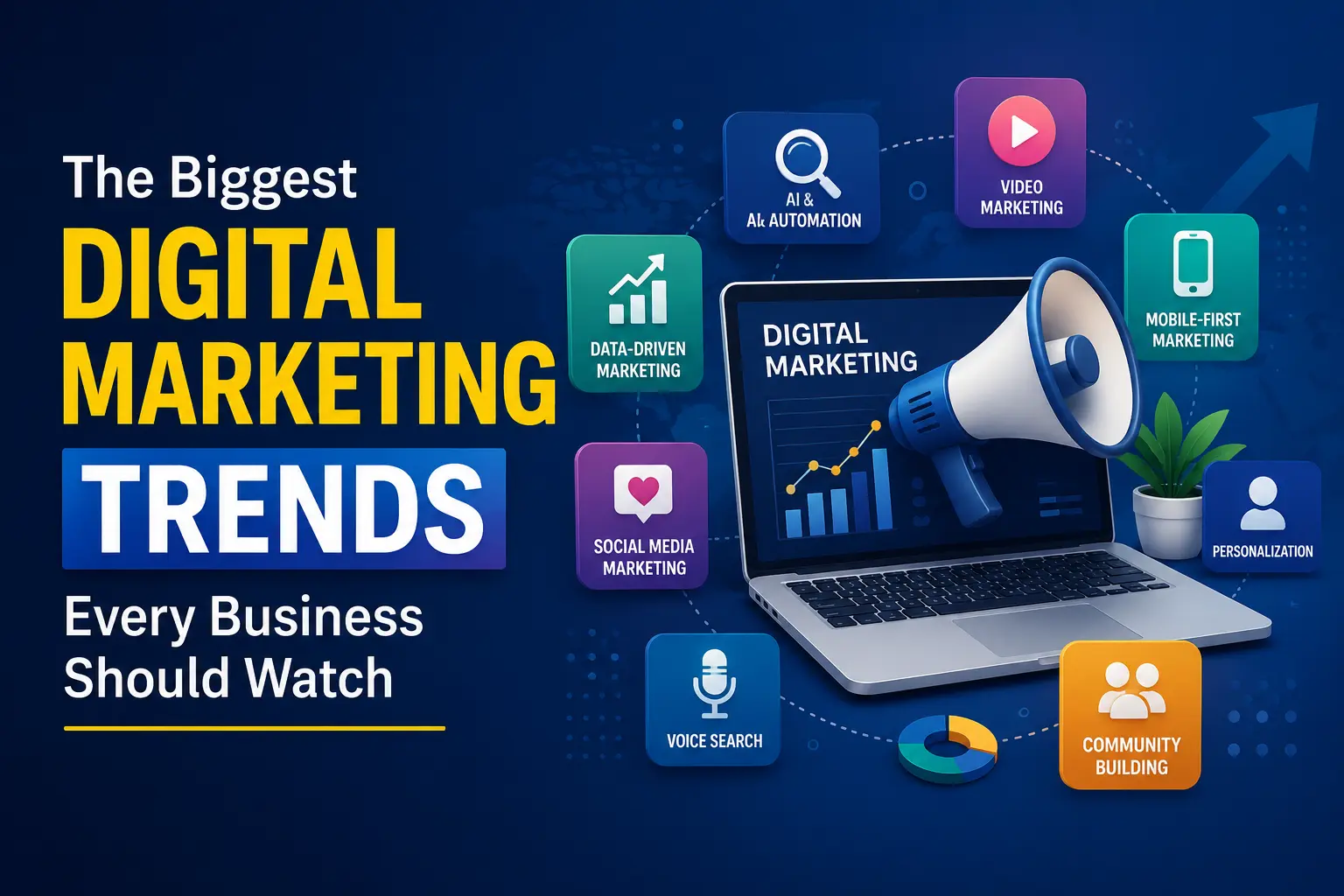
The digital landscape is currently defined by a fundamental shift from manual task management to intelligent orchestration. As of 2026, the competitive advantage belongs to businesses that move beyond treating artificial intelligence as a simple writing tool. Instead, they are integrating AI as an autonomous engine that manages complex, multi-step workflows. This evolution allows marketing teams to focus on high-level creativity and strategic growth, leaving the mechanics of real-time optimization to capable systems.
The Rise of Agentic AI and Autonomous Execution
Marketing is transitioning toward “agentic” systems—AI that does not just provide recommendations but actually performs them. These systems analyze performance data, coordinate between disparate platforms, and adapt campaigns in real-time without constant human intervention. This shift reduces the delay between identifying a market trend and responding to it, ensuring that budget is always directed toward the highest-performing touchpoints.
-
Autonomous Campaign Management: Utilize systems that dynamically reallocate ad spend toward assets showing the highest conversion probability based on live user signals.
-
Predictive Lead Scoring: Implement models that analyze historical buyer behavior to identify high-intent prospects, automatically triggering personalized nurture sequences.
-
Rapid Creative Scaling: Leverage tools to generate, test, and iterate dozens of creative variations simultaneously, ensuring that messaging remains fresh and relevant to specific micro-segments.
-
AI-Driven Market Intelligence: Employ autonomous agents to monitor competitor activity and sentiment, allowing your team to pivot strategy before shifts negatively impact your market share.
Generative Engine Optimization (GEO)
Traditional search engine optimization is expanding into “Generative Engine Optimization.” As users increasingly turn to AI-driven search interfaces for answers, visibility is no longer just about ranking for a specific keyword. It is about becoming the primary source of truth that LLMs cite in their synthesized responses. Your content must now be structured, machine-legible, and comprehensive to ensure it is selected as the definitive answer to a user’s query.
-
Intent-Based Content Architecture: Map your content library to the specific questions and problems your customers face, rather than just chasing high-volume search terms.
-
Structured Data Imperative: Use clear schema markup to define your brand’s authority, location, prices, and founders, helping AI systems understand the “who” and “what” behind your brand.
-
Q&A Focused Formatting: Design pages to include concise, definitive answers that are easily ingestible by AI, increasing the likelihood of your brand being cited in AI-generated summaries.
-
Topical Authority Modeling: Establish deep expertise in your niche by producing exhaustive, interconnected content hubs that provide more value than a single, surface-level post ever could.
Cultivating Authentic Digital Communities
As AI-generated content saturates the web, human authenticity has evolved from a branding choice into a high-value economic asset. Consumers are increasingly skeptical of overproduced, generic messaging. They are gravitating toward niche communities, creator-led spaces, and peer-validated platforms where they can engage in real conversations. Building a brand that people actually trust requires a return to human-led storytelling, even while the processes behind that storytelling become increasingly automated.
By focusing on first-party data and direct customer relationships, businesses can build a “moat” around their brand. This involves prioritizing community-first platforms where opinions are shared and verified, and ensuring that every piece of automated content is reviewed through a “human-first” lens to maintain a consistent, relatable voice. The brands that win in 2026 will be those that use technology to remove friction, not to remove the person from the equation.
FAQs
What is the main difference between traditional SEO and Generative Engine Optimization?
Traditional SEO focuses on ranking in blue links to drive clicks. GEO focuses on being cited as a trusted source of information within AI-generated summaries, even if the user never clicks through to your site.
Should I automate my entire marketing funnel?
Automation should handle execution and data analysis to improve speed and ROI. However, human oversight is essential for final brand messaging, creative direction, and high-stakes customer interactions.
Why is first-party data so critical in 2026?
With the decline of third-party tracking, owning your audience data is the only way to maintain accurate attribution and deliver the hyper-personalized experiences that modern consumers now expect.
How can a small business compete with larger brands using AI?
Small businesses can win by being more agile and specialized. Use AI to deliver highly personalized service within a specific niche community, which large, impersonal corporations struggle to replicate.
What is the “human-first” trend in marketing?
It is a reaction to AI saturation. Audiences are seeking authentic, peer-validated experiences, making creators and niche communities more valuable than traditional, high-production advertising.
