
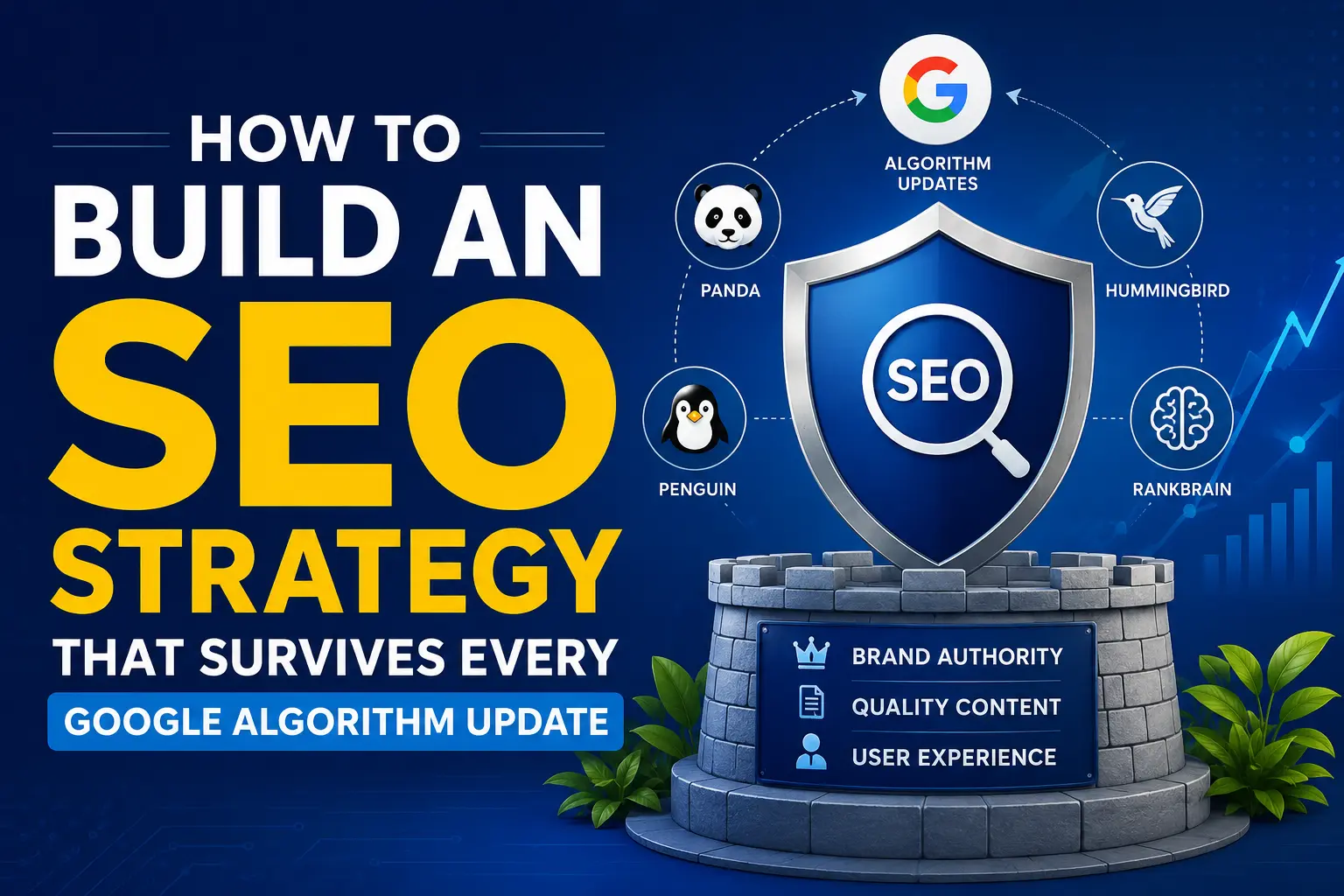
Search engine optimization is no longer about chasing short-term hacks or exploiting minor algorithm loopholes. In 2026, the digital landscape favors websites that prioritize human value and transparent authority. To build an SEO strategy that remains resilient against constant updates, you must shift your focus from manipulating rankings to earning them through trust and deep topical relevance.
Building Resilience Through E-E-A-T
The core of a future-proof strategy lies in Google’s E-E-A-T framework: Experience, Expertise, Authoritativeness, and Trustworthiness. Search engines are increasingly adept at distinguishing between content that merely summarizes existing information and content that provides genuine, lived-in perspective.
-
Demonstrate First-Hand Experience: Move beyond theory. Include original photos, case studies, or specific process notes that prove you have actually performed the tasks you are writing about.
-
Verify Author Credentials: Search engines now evaluate “who” is providing the information. Link content to detailed author bios that list relevant certifications, professional experience, and verifiable social profiles.
-
Prioritize Factual Accuracy: Back every claim with links to primary sources, such as government reports, academic journals, or official industry datasets, rather than secondary summaries.
-
Maintain Transparency: Ensure your site includes clear contact information, a comprehensive “About Us” page, and a transparent privacy policy. Algorithms reward sites that are accountable for the information they publish.
Constructing a People-First Content Hub
Algorithm updates frequently target “search-engine-first” content—pages created solely to capture traffic with little regard for the user’s ultimate goal. To survive these shifts, organize your website into logical clusters that demonstrate comprehensive mastery of a specific niche.
-
Map the Buyer Journey: Instead of writing random articles, create content that answers every question a user might have from the initial discovery phase to the final decision.
-
Focus on Topical Authority: Build a “pillar” page for your core subject, supported by several deeper articles that cover specific sub-topics. This structure signals to search engines that you are a definitive resource.
-
Optimize for Intent: Analyze what users are truly seeking. Are they looking for a quick answer, a tutorial, or a product comparison? Align your content format with that intent rather than just targeting a specific keyword volume.
-
Regularly Audit and Refresh: Treat your content as a living asset. Every six to twelve months, update articles with the latest data, fix broken links, and remove outdated sections to maintain relevance.
Leveraging Technical Excellence and Semantic Structure
While high-quality content is primary, it must be easily discoverable and parsable by both human visitors and AI agents. Technical SEO acts as the delivery mechanism for your expertise, ensuring that algorithms can crawl, index, and understand your content without friction.
Implement structured data, such as FAQ or Organization schema, to provide explicit context to search engines. Maintain high performance by ensuring fast loading speeds and mobile-first design, as these remain critical usability signals. By providing a clean, accessible, and fast experience, you reduce bounce rates and increase the likelihood that your site will be cited as a trusted source in AI-generated search summaries.
FAQs
How can I tell if my content is “people-first”?
People-first content provides a satisfying, unique answer that prevents the reader from needing to go back to the search results to find better information elsewhere.
What should I do if my site is hit by an algorithm update?
Conduct a thorough audit to identify thin or repetitive pages, update outdated information with primary sources, and focus on adding genuine, first-hand expertise to your existing content.
Do backlinks still matter for algorithm resilience?
Yes, but the quality matters more than quantity. Focus on earning natural mentions from reputable industry sites through high-quality original research and genuine networking.
How does AI influence search ranking strategies?
AI is changing how information is retrieved. Optimizing for AI means focusing on clear, concise, and structured answers that can be cited as authoritative snippets in conversational search responses.
Is it necessary to have a dedicated SEO team?
Not necessarily. The best strategy is often integrated, where content creators, developers, and product teams work together to ensure the site is fast, accurate, and truly helpful to the user.
